


My mom and dad had a Chinese American restaurant in the suburbs of Detroit called The Golden Wheel. When I was a baby, they kept me in a crib in the front office by the cash register so I could nap through the lunch rush.
Later, I was the kid doing his homework in the front booth while my grandma peeled pea pods between the lunch and dinner service. And because nearly everyone in my family worked restaurant hours, a family birthday meant twenty or thirty of us sitting down to a Cantonese banquet at 11:30 at night and staying until 3 am.
That was normal. That was home. The restaurant gave my family its foothold in America, but it was and still is one of the most precarious businesses in the world.
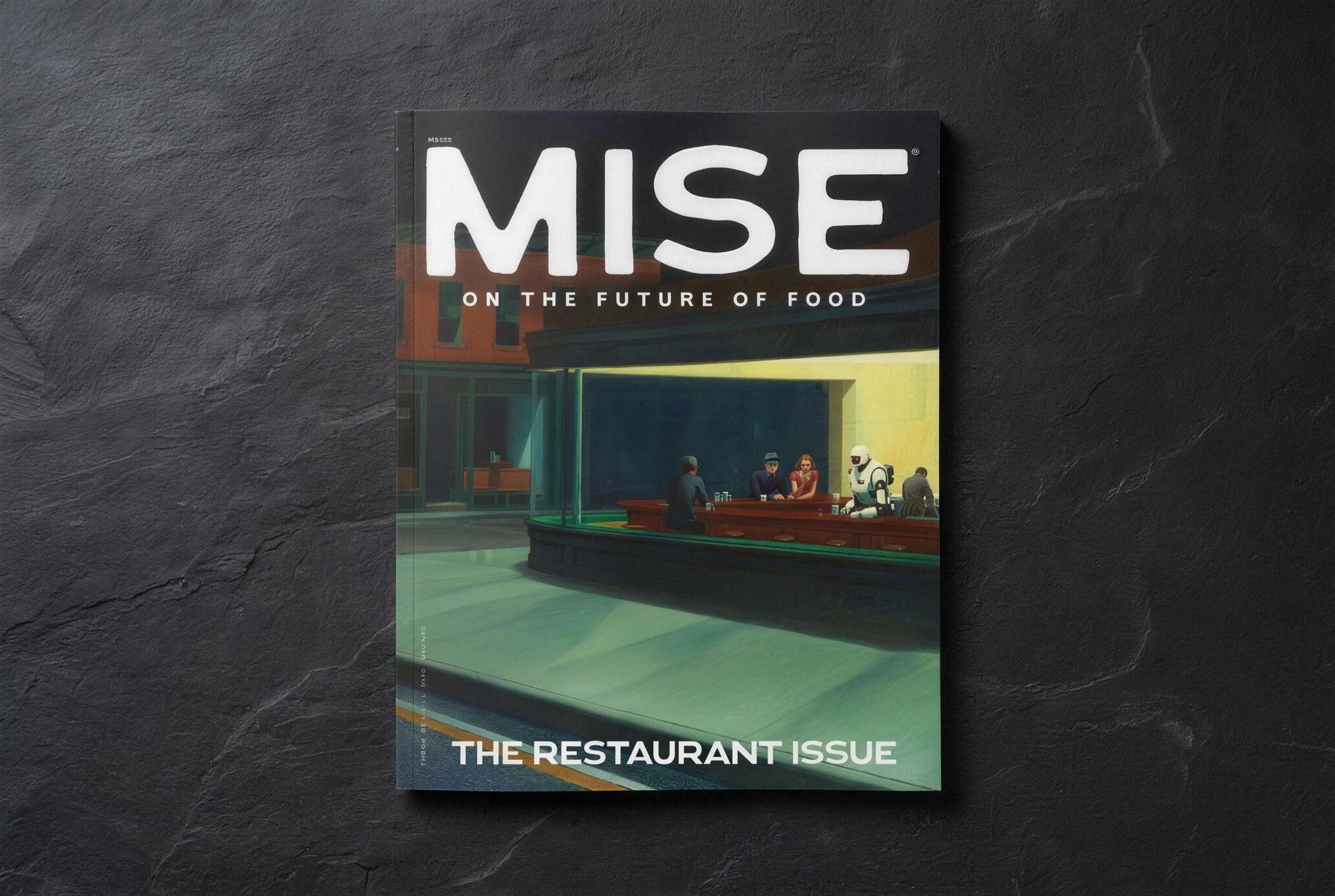
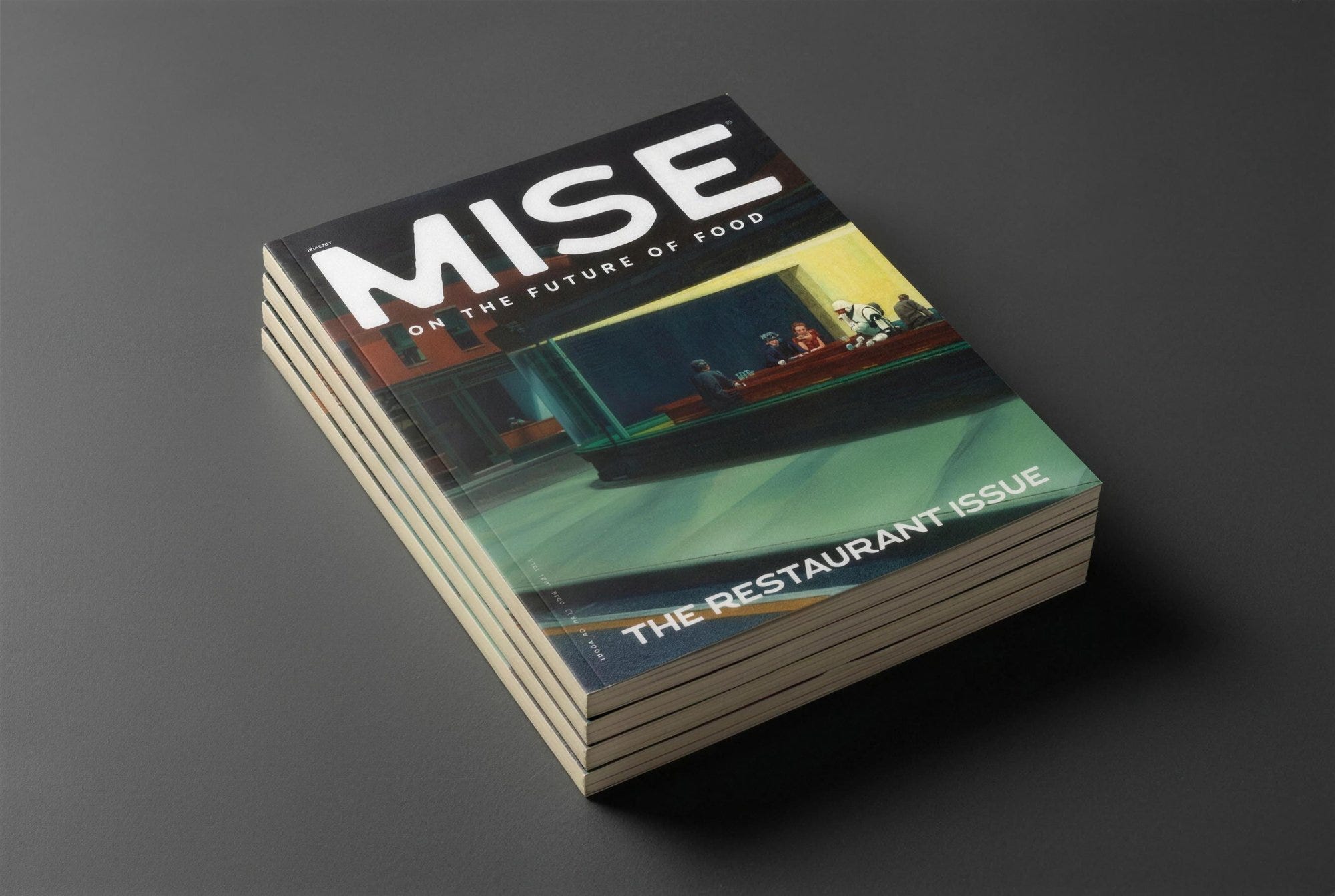
Today, Mise 02: The Restaurant Issue is out.
This is the second installment of my book series, Mise: On the Future of Food. If you’re new to Mise, each edition is a collection of speculative fiction stories that examine and envision the future of food by extrapolating the signals shaping food today.
Mise builds visions of the future of food the way Detroit automakers build concept cars. Like a concept car, Mise isn’t a crystal ball, but a provocation about what could happen to the future of our food system based on what we can see happening today.
The goal of Mise is to shape how eaters and food producers think and act today. These stories are prototypes of what could be. Some depict utopian futures to energize today’s food innovators toward something better. Others show dystopian visions to shake us out of malaise so we take more decisive action to prevent disaster. In either case, all stories are paired with analysis rooted in today’s context that helps guide our industry through the near and mid term.
Despite all the romance surrounding it, a restaurant is a business, yet that is the least interesting thing about it. It anchors a community. It’s an immigrant’s first job. It’s a theater for change.
All that civic weight rests on a business with almost no cushion. And 2026 keeps finding new ways to squeeze it. The kitchens are short-staffed because the people who fill them, many of them immigrants, are afraid to show up in cities across the country. The jobs they do are being handed to machines wherever a machine can manage. The health insurance that might keep a cook healthy enough to open her own place someday got more expensive when Congress let the enhanced ACA subsidies expire.
Climate change, tariffs, and wars spiking energy prices keep driving up the cost of everything in the walk-in. Any one of these would reshape an industry. Restaurants are taking them all at once, on margins that were thin before any of it started.
So this issue asks one question: fourteen years from now, what is a restaurant for? It answers with four different versions of 2040, and each version gets two stories plus an analysis of the forces driving it.
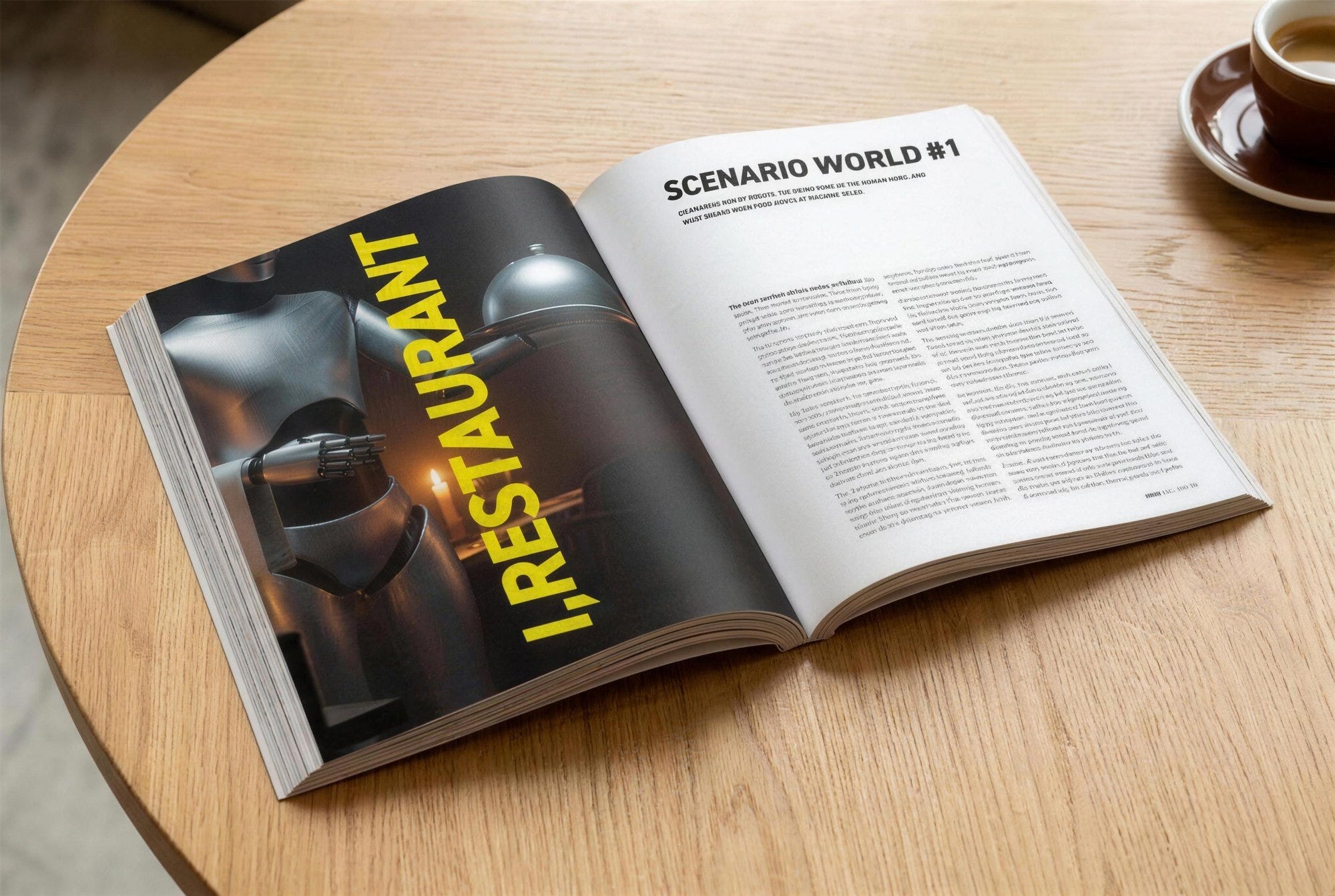
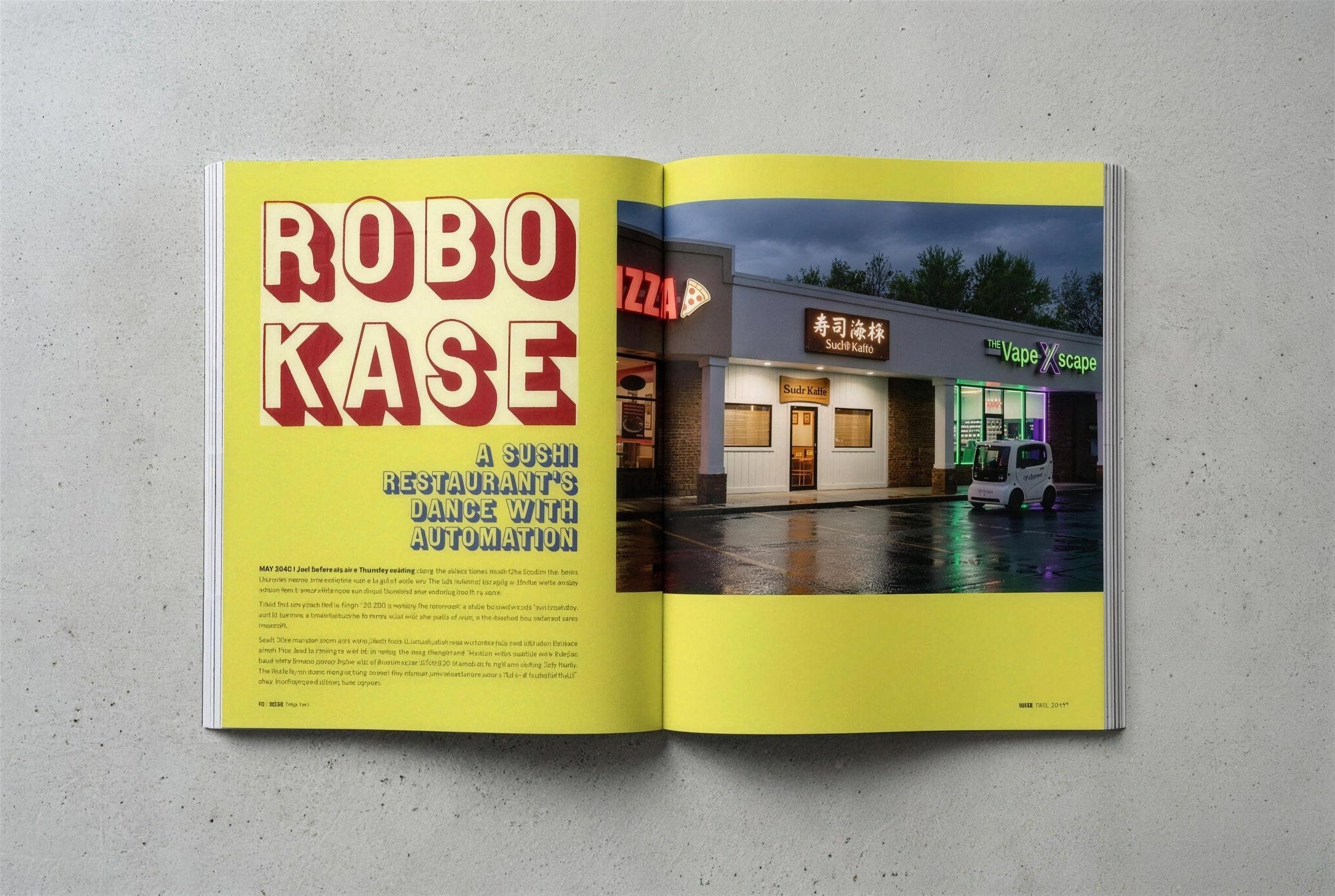
I, Restaurant. The kitchens emptied, the machines filled them, and the human hand got more valuable, not less. In Robokase, a sushi master’s eight-seat counter survives on the revenue of the robot working delivery orders behind him. In The Perfect Sandwich, a fast food chain’s recipe AI designs a fried chicken sandwich so irresistible that the agricultural system behind it starts to buckle.
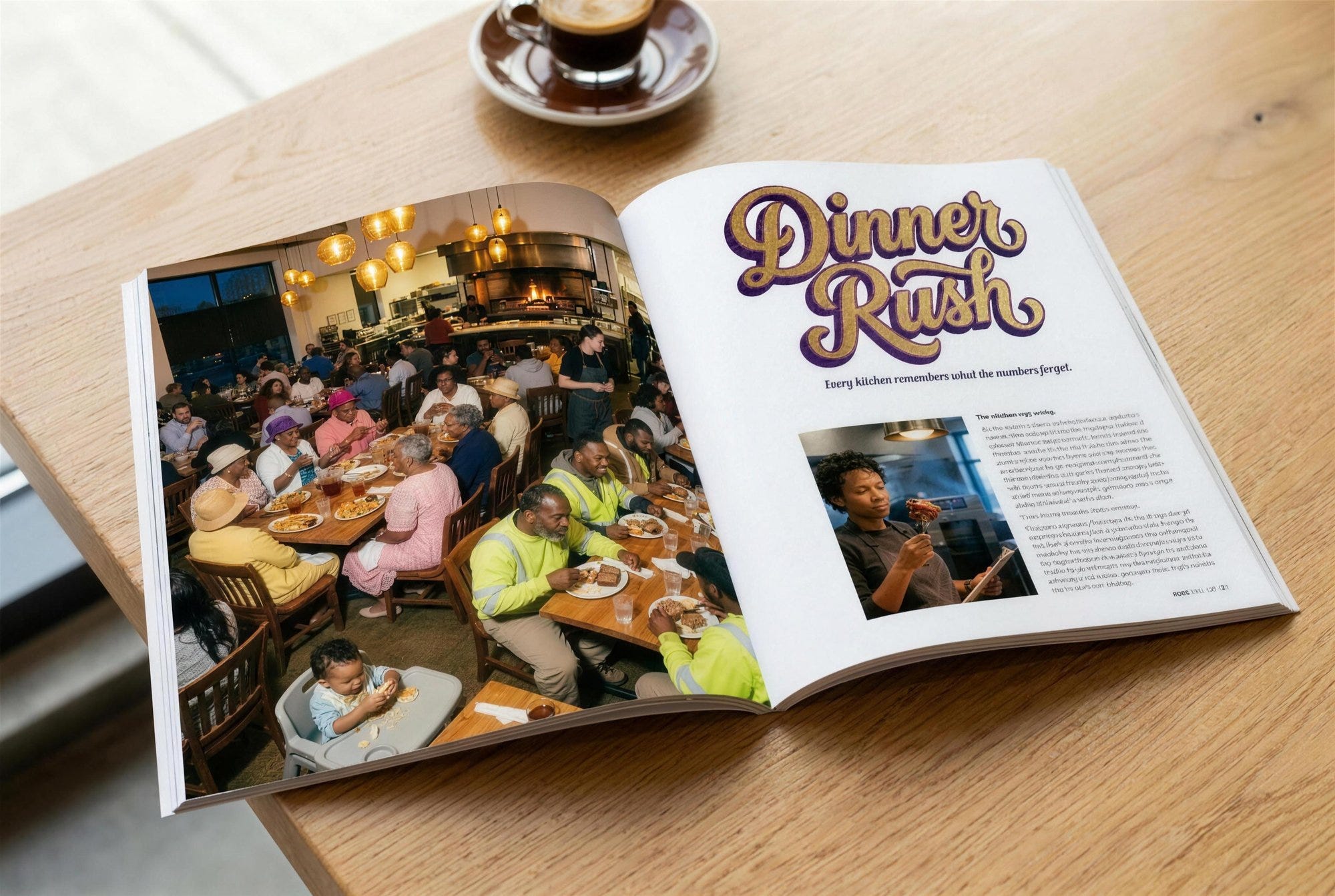
Get Big or Get Out. The chains never had to out-cook anyone. They had to out-insure them, and once good health coverage stayed tied to a corporate paycheck, the cooks who would have opened their own places went corporate instead. In The Last Metate, a San Antonio taqueria owner weighs his family’s restaurant against the job whose insurance covers his daughter’s cure. In Dinner Rush, a culinary director fights to keep her chain’s wood-fire kitchens alive while the company is sold out from under her.
Family Meal. A boom that lands wherever capital is already dense, and a deportation machine that runs on anonymous tips. In Golden Sparrow, a Flushing cook has until Labor Day to choose between an AI-lab salary and his family’s wok. In The List, a Dearborn neighborhood keeps a restaurant open after ICE takes its owner, and the owner’s wife learns his kibbeh two ingredients at a time over a prison phone line.
All You Can Eat Everything. Abundance solved hunger and invented new appetites. In Soil Club, a critic eats through a members’ club where the best thing she tastes all week might still be a carrot. In The Ghost in the Kitchen, a writer tries to get one afternoon in a room with America’s most beloved chef, who cooks live for millions five nights a week and hasn’t been seen in person since 2039.
Around the scenarios: Small Bites dispatches from around the globe, speculative advertisements from 2040, and a children’s book about a school garden, because good taste is learned young. The whole thing runs 200+ pages, written and designed to feel like a magazine you brought back in a time machine. It took two years, and it is the issue I have been circling my whole life.
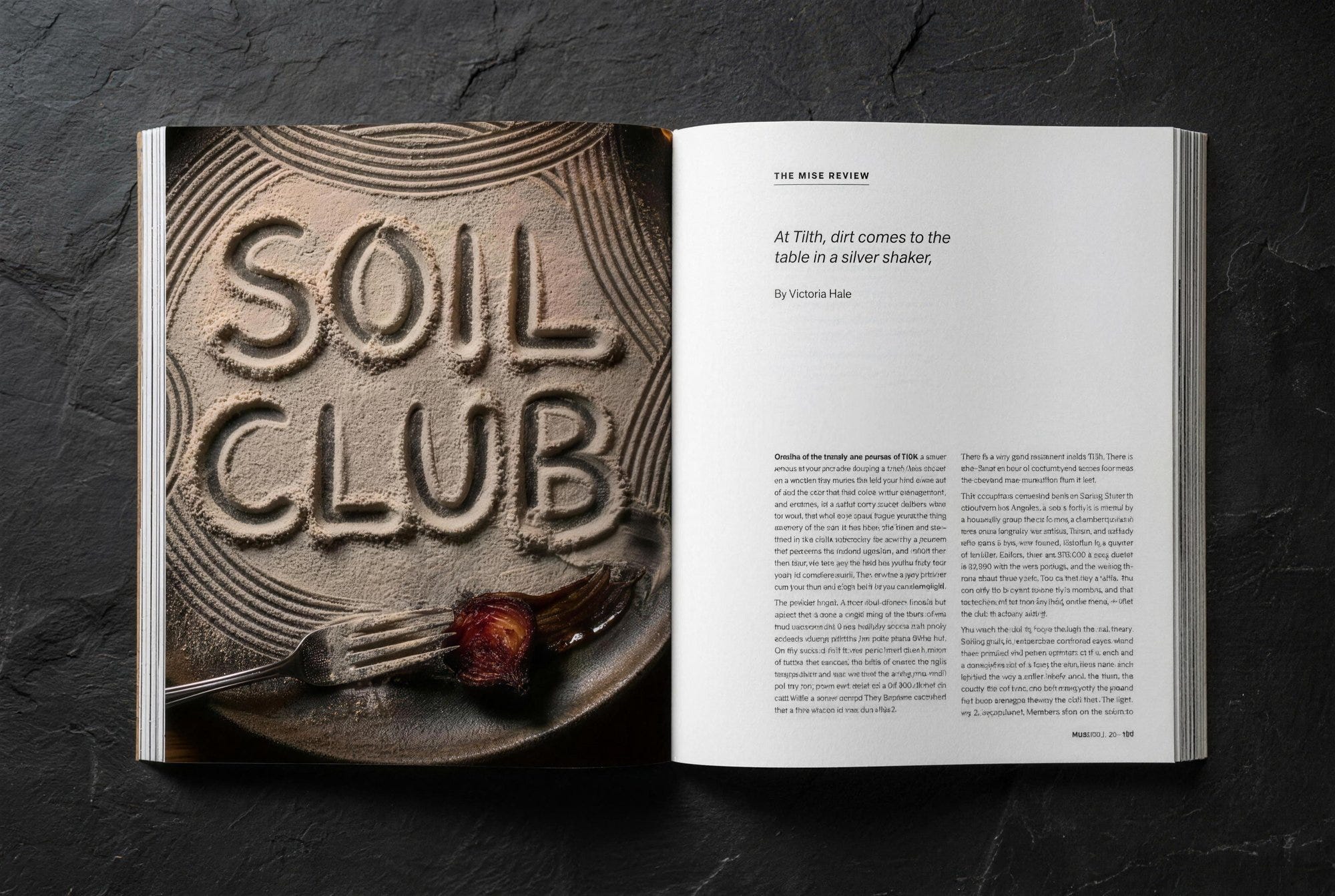
Mise 02: The Restaurant Issue is $40 at mise.market, and orders ship starting now.
My family’s wager was that feeding people is worth doing even when the math barely works. The whole industry is still making that wager, and the next fourteen years will determine how it plays out.
“We are called to be the architects of the future, not its victims.”
R. Buckminster Fuller
Mike Lee is a food futurist and innovation strategist, author of Mise: On the Future of Food, host of The Tomorrow Today Show podcast, creator of Mise Futures, and is on Instagram at The Book of Mise.
Congratulations on the new book! A huge accomplishment.
Pumped up to get my copy!