


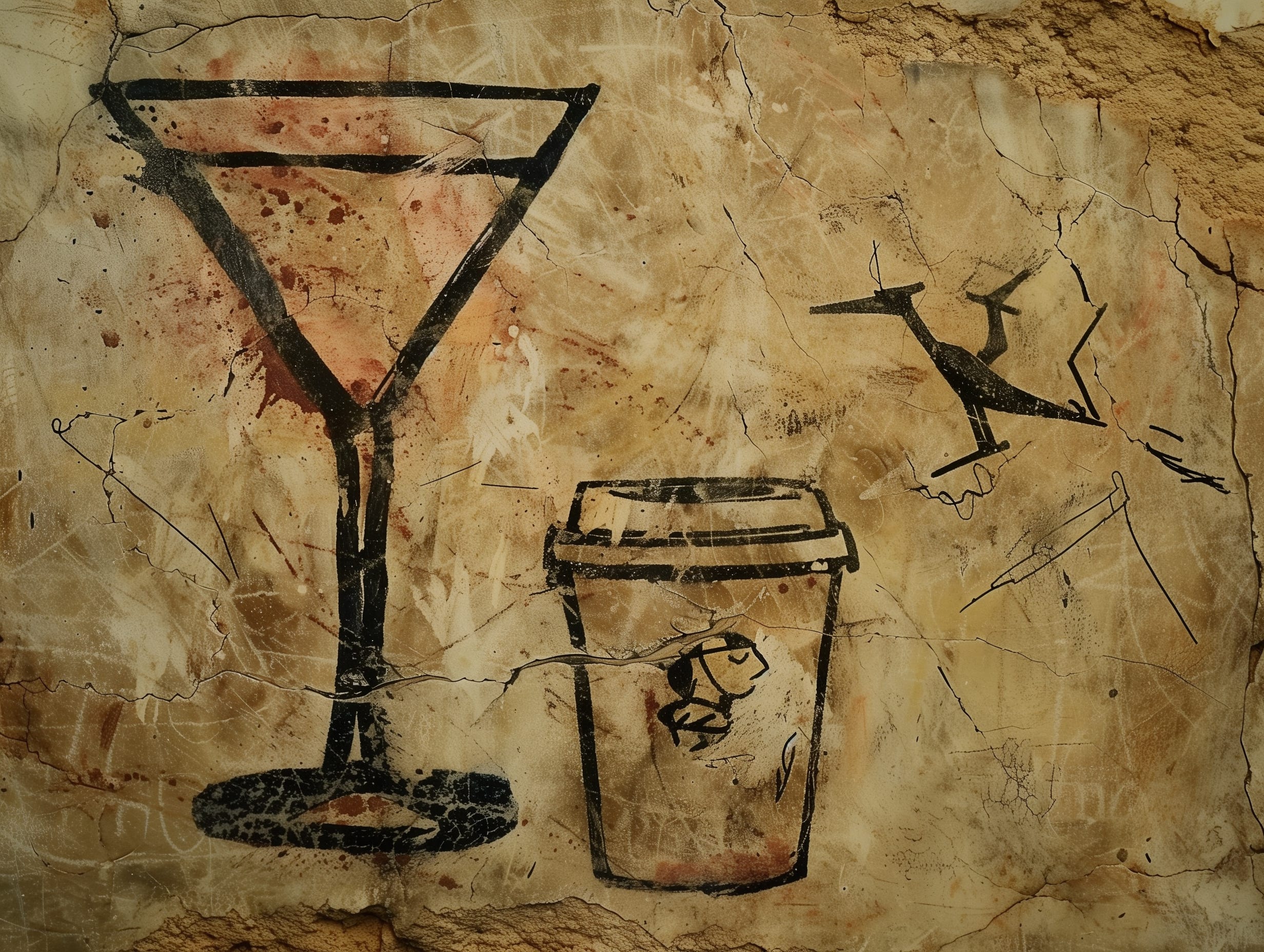
Few things have had staying power as strong as caffeine and alcohol. These substances have been almost universally enjoyed throughout history, with almost every culture having its unique versions of how to consume them. Even the fact that some cultures expressly prohibit their consumption is an implicit acknowledgement of their potency.
Evidence of alcohol consumption dates as far back as 7,000 B.C. in China. Tea, also discovered in China, started around 1,000 B.C., while drinking coffee was invented in Ethiopia around 850 A.D., which is a pretty big gap between the invention of the hangover and the arrival of one of its primary cures.
It’s humbling to think that people have consistently used caffeine and alcohol for well over 3,000 years as a lubricant for productivity and socialization. Can we do coffee? How about we grab a drink? How many times have you said those things in your life? It’s one of the few habits that connect us to our ancient ancestors.

That connection to the past also suggests that in some ways, human minds and bodies have not evolved much when it comes to prioritizing “now” versus “later” feelings. People still drink caffeine and alcohol because they want to feel something in this moment, not some weeks, months, or years later.
Consider this scenario: You're extremely hungry and I offer you two sandwiches: 1) Satisfies your hunger, but causes vomiting today; 2) Equally satisfying, but causes vomiting in 10 years. Which would you choose? Most likely the one with the delayed negative effect, right? Now, assuming you're still hungry, I offer you two soups: 1) Provides immediate superhuman strength; 2) Offers the same strength, but in 10 years. You'd probably opt for the immediate benefit, correct?
It’s natural for us to want things that maximize upside and minimize downside now, versus later. It might sometimes be illogical, but we tend to prefer good things or fear bad things that we can see, touch, taste, and feel right away over things that benefit us in the future. If this weren’t true at scale, then almost everyone would exercise regularly, read more books, steer clear of junk food, and have plenty saved for retirement. But that’s not how a large portion of people live today.
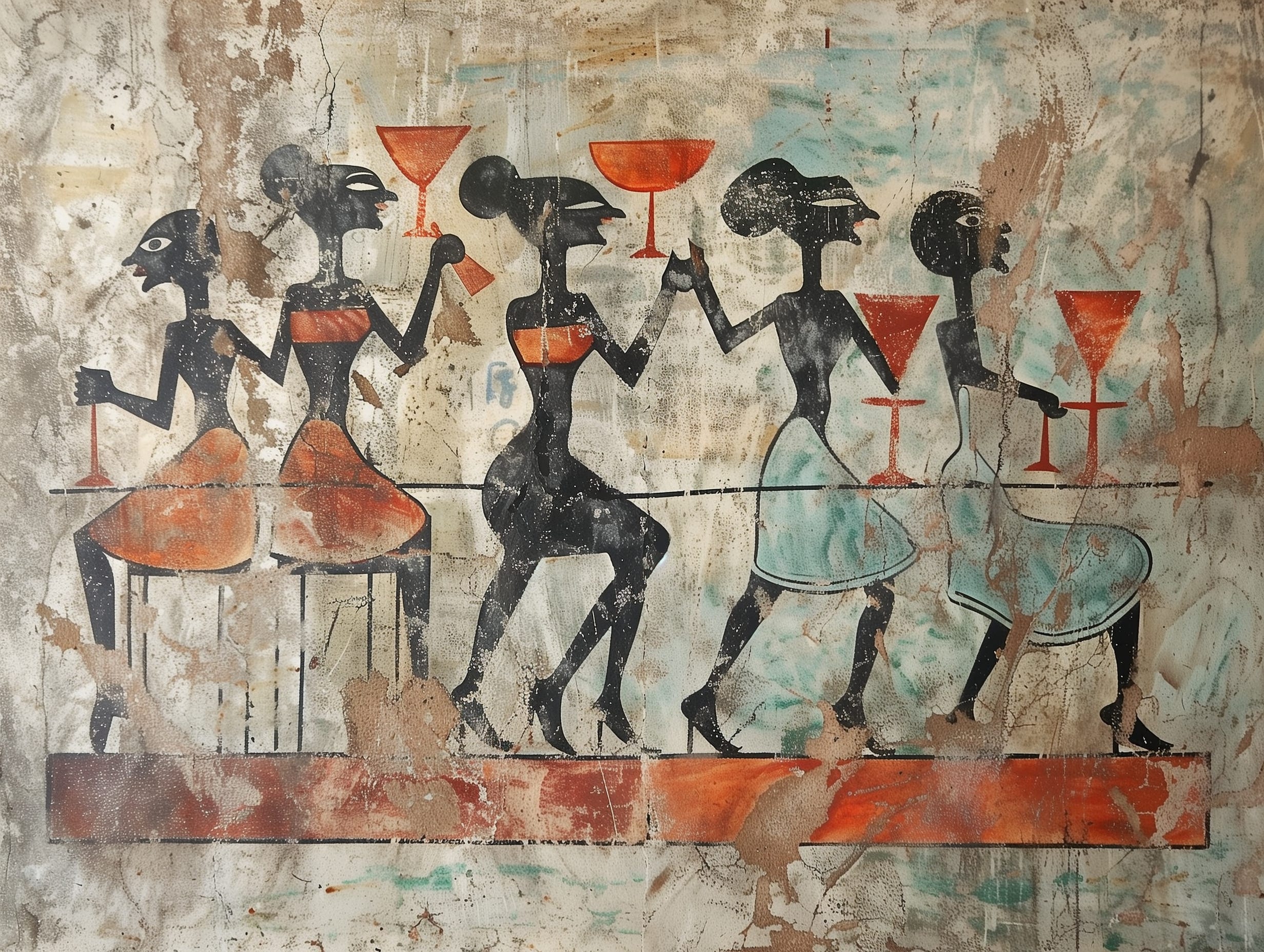
The preference for instant gratification isn’t relegated to diets. It shows up in society and business in the way people run companies and the products and services they create. Even though we may know that a big investment in some technology to reduce climate change might be best for the planet in the long run, the pressures of delivering a profit for investors over the next three months frequently prevails. In these uncertain times, we're navigating challenges to ensure profitability. We're focused on delivering immediate value to our shareholders. How many times have you heard a CEO say something to that effect? Quarterly capitalism is essentially alcohol and caffeine for business.
Things that shock us tend to make us take decisive action. On September 11th, 2,996 Americans tragically died in an instant. It was terrifying and evil, and it completely rearranged America’s approach to foreign policy and national security in ways that we still wrestle with. But that same year, 700,142 Americans died of heart disease. So why didn’t we aggressively renovate the public health system to prevent those deaths too? It somehow feels more psychologically comforting to protect the homeland from shocking attacks that kill thousands than it does to insulate millions from dying of their own lifestyle choices.
This is the kind of thinking that also makes solving environmental issues so difficult. Addressing a slow-moving crisis like climate change is challenging partly because the abstract threat of a coastal city flooding 50 years from now feels less real than the visceral pleasure of taking a flight today to go on vacation. Like caffeine and alcohol, concentrated and immediate pleasure stimulates our emotions more strongly than a diffuse trauma like global warming.
If we are to successfully overcome the biggest challenges to our society and individual lives, we need to find better ways to make the gradual feel immediate, the abstract feel tangible, and the future feel like the present. Since time travel doesn’t exist, storytelling is the primary way to bring future events to life for us in the present. Yet for the things that really matter in the long run—our health, our environment, and our society—the case studies of highly effective storytelling are far more rare than in domains that are designed for leisure.
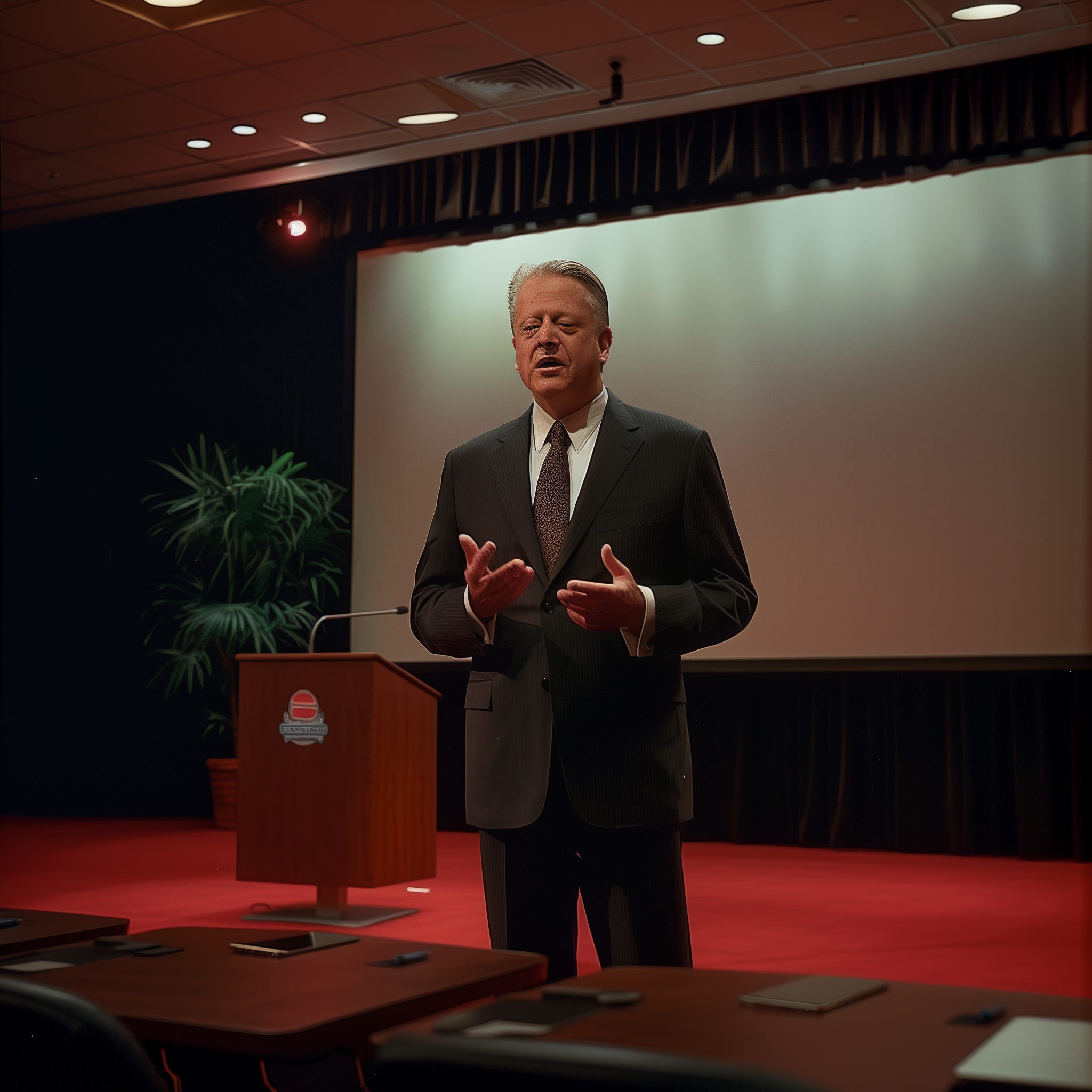
It’s curious to me that one of the most famous examples of climate change storytelling is essentially a PowerPoint presentation by Al Gore, yet some of the most captivating stories of all time come from works like Star Wars or Lord of the Rings. While there is a small canon of speculative climate fiction in movies and shows like The Day After Tomorrow and Extrapolations, none of them have garnered audiences so committed to the plot that they’ll dress up in full costume and act like a character from one of those stories for an entire weekend. Even though Luke Skywalker and Frodo are entirely fictional, there’s a lot of people for whom those characters feel far more tangible than something actually real like global warming. When done well, our mythologies can become our reality. Especially if they feel like an escape from actual reality.
In food and agriculture, I’ve never seen anything come close to making the future feel as real as it does to someone riding something as trivial as the Star Wars ride in Disney World. Instead, much of the communication about climate change, health, and sustainability at large is expressed in dry powerpoint presentations, wonky research papers, and TED Talks.

Clearly, the storytelling talent is out there to turn fictional plot lines into near-religion, so why isn’t our industry harnessing that talent to tell stories about real issues in a way that people want to line up for hours to witness? How is it that we settle for telling some of the most important stories in the world in ways that are so un-engaging to the mainstream? And can stories about health and sustainability be made emotionally engaging and drive action without coming off as propaganda? I think we owe it to our future grandchildren to keep trying.
The health and sustainability movements have long relied on logic as their main tool to implore people to do the right thing. We should never abandon logic, but we absolutely need to rely more on speaking to people’s emotions and their need for tangible, visceral experiences to persuade them to act a certain way. Coffee and booze have endured the test of time far longer than an $11 green juice ever will because their effects are immediate, desirable, and tangible.
We need to make healthy choices for people and the planet feel as personally rewarding as the unmistakable rush from a shot of espresso or tequila. Otherwise, we're left relying on people's conscience rather than their instincts to do the right thing. Is that a bet we are willing to take on the future of our planet?
-
Mike Lee is author of the book, Mise: On the Future of Food and the principal futurist of The Future Market, a futures consultancy for the food and agriculture industry.