


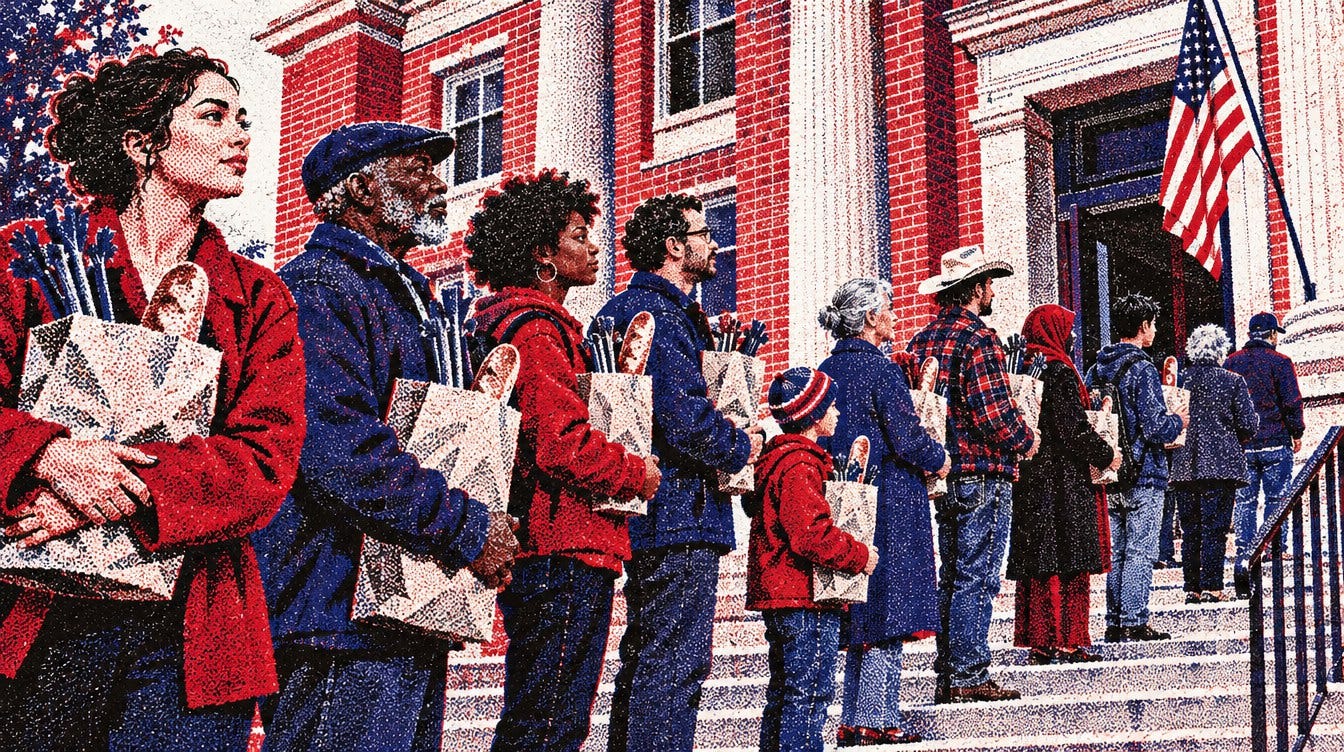
Today is midterm Election Day in America. To me, elections have always been about how we divide resources. Whoever wins gets more power to decide how many taxes are collected, where the money goes, whose land and water get protected, who gets certain rights, who gets a raise, and who eats.
Food is the ultimate resource, because it’s so ubiquitous and necessary that so much of our other resources are dedicated to making it. The land, the water, the diesel in the tractor, the gas that makes fertilizer, and the human resources who grow, pick, cook, and clean up.
So what’s at stake today? Well, the Republican party currently controls the Senate by six seats. The closest Senate races today are in Texas, Maine, Ohio, Iowa, North Carolina, and my home state, Michigan. And there are 36 states choosing a governor today, with close competition in Georgia, Wisconsin, Iowa, and Michigan.
A single midterm election doesn’t fix a whole food system. But the FDA, USDA, EPA, HHS, and more all report to committees made of Congress members. And the party who wins today gets to pick those committees.
Today I want to showcase five big issues to keep food in mind as you enter the voting booth.
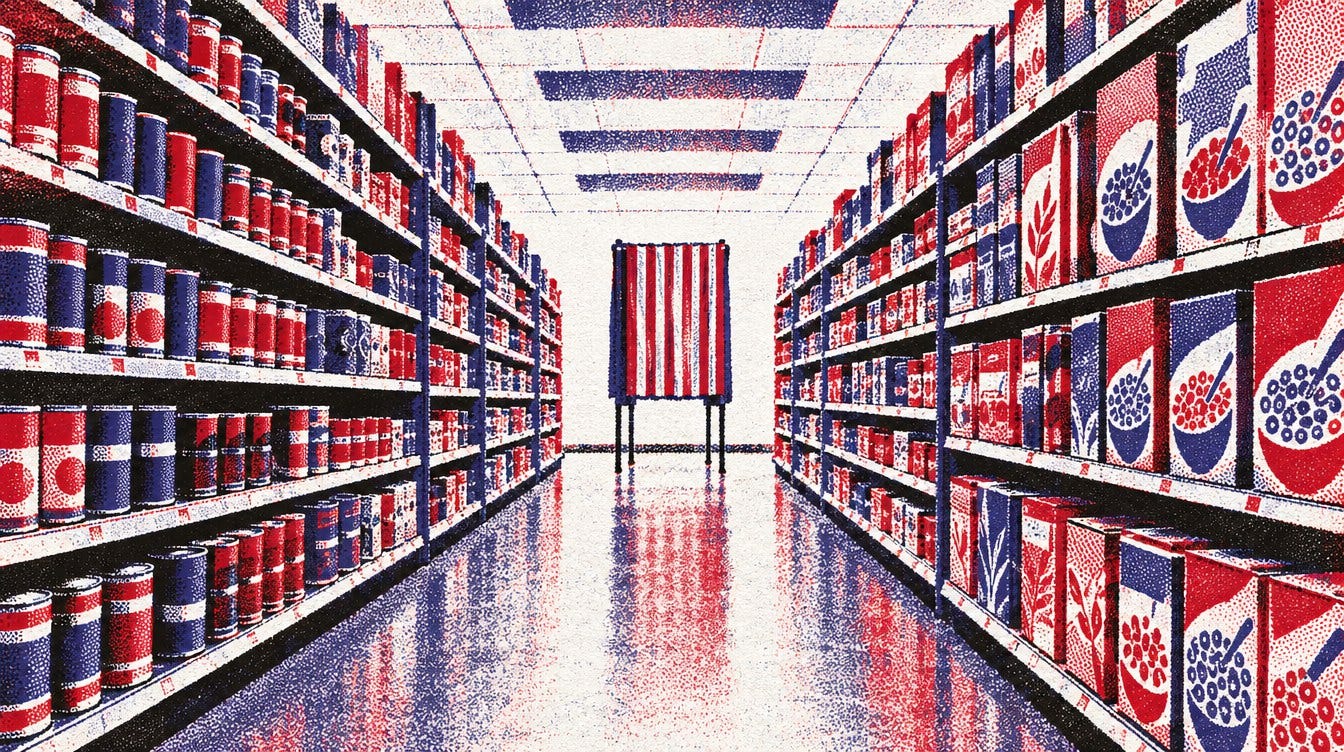
1. The Cognitive Dissonance of MAHA
The MAHA movement and the Trump administration have been telling us to get healthier while making it harder to do so.
It’s good that food is getting more attention in the national discourse than at any point I can remember. The Make America Healthy Again movement has hit a nerve with left-leaning groups fighting for a cleaner food system and right-leaning groups who distrust institutions in the food, health, and wellness space.
I don’t have much patience for RFK Jr. as a person or political force, but I do generally agree with the sentiment of what MAHA was designed to do, which is to clean up the food system and make people healthier. I lose the plot when I see what the current administration has also done while giving lip service to a healthier America.
Six months before RFK Jr. proudly unveiled new nutritional guidelines that roughly invert the food pyramid we grew up with, Congress cut food stamp funding by about a fifth over the next decade and gutted culinary education programs meant to get more people cooking with whole foods at home.
So far, MAHA’s achievements have been minor relative to what actually needs help in the food system, like the pressure that got General Mills and Nestlé to pledge to drop synthetic food dyes.
A bit of food dye is hardly a real problem to a family that has trouble making ends meet and keeping any food in the house. It pales in comparison to the thousands of children who have contracted measles this year.
Our current health secretary is the same guy who repeatedly told parents to doubt the measles vaccine, which happens to have over sixty years of data behind it. Meanwhile, just last month his Health and Human Services department informed pharmacies that it won’t prohibit them from selling six popular peptides that have never been approved by the FDA. We are truly living in the upside down.
MAHA’s ideals make for great headlines and battle cries. But a wider look at the administration’s record shows that it’s not exactly aligned with actually making America healthy.
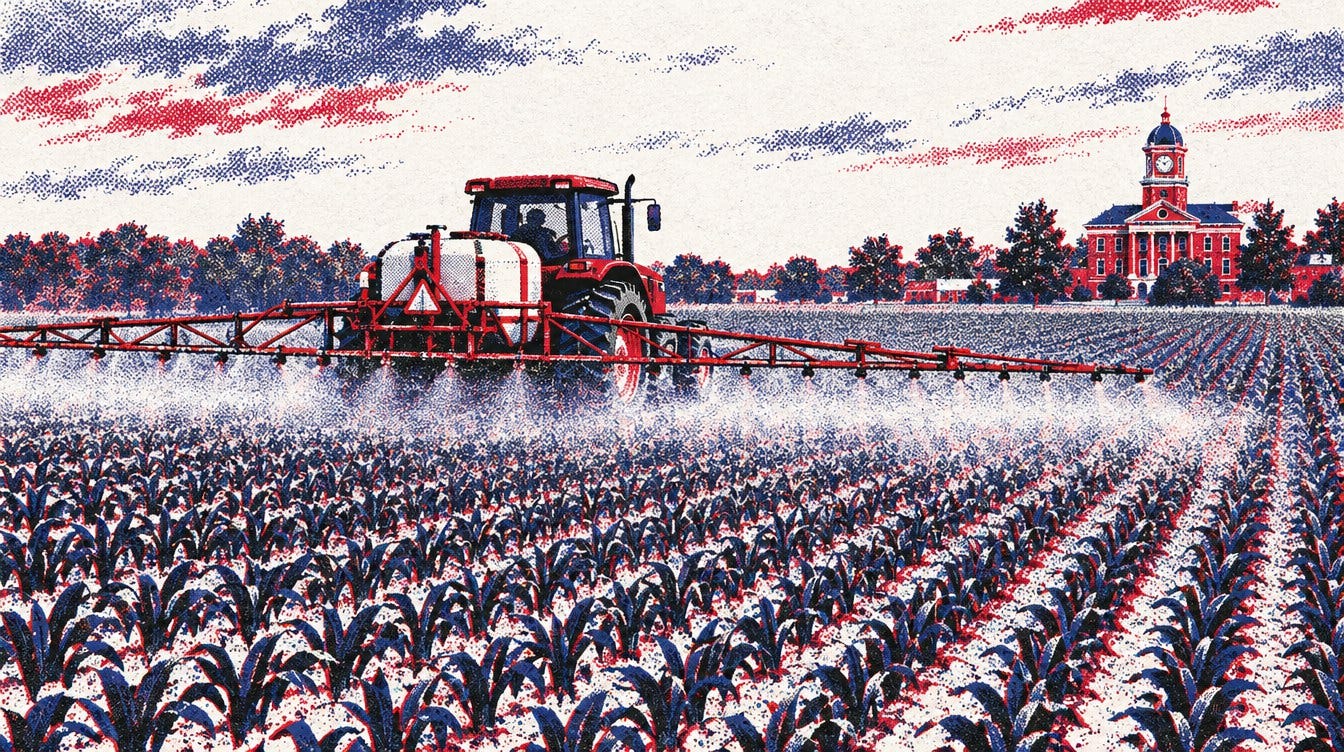
2. The Future of Glyphosate
RFK Jr. spent years suing over glyphosate, then the White House he works for promised to keep it in supply.
Glyphosate is the most popular herbicide in America. The question of whether it causes cancer or not has been argued in and out of court for about a decade. RFK Jr. even spent years as a lawyer working for the side that says it does cause cancer, suing Monsanto in the process.
But then this past February, the White House signed an order that guarantees its ongoing supply. It was treated like a wartime necessity and RFK Jr. was in support of it. How does one spend years arguing that a chemical gives you cancer, then sign off on a policy to ensure it keeps flowing?
I wish our modern industrial food system wasn’t so addicted to glyphosate. And like an addict, quitting cold turkey can cause real damage, but that shouldn’t be an excuse to stay on it forever. Much of our agricultural system has already been designed around glyphosate, so if we banned it overnight, farmers would reach for the stuff that’s even more toxic, like paraquat.
I think we need to wean ourselves off of it. A big part of that is rewarding farmers who need little to none of it by going organic or regenerative organic. That’s a lot of investment that needs to be made to help farmers make that transition and a stronger market and policy incentive to move away from chemicals like glyphosate.
But the February order from the White House goes in the opposite direction, calling glyphosate essential and promising that it’ll be kept in supply. This leaves the risk where it’s always been, with farmworkers absorbing it from their time in the fields. How will they find recourse should they get cancer from glyphosate?
Because meanwhile, the EPA stopped assigning a dollar value to the lives that their pollution rules were meant to protect. And while the EPA isn’t really involved with the cancer lawsuits surrounding glyphosate, the precedent of not even trying to factor in the cost of human suffering when measuring a polluter’s damage is not a promising signal for how we’ll hold accountable those who harm people with their business practices.
The Congress that we decide to elect today will get to pick the committees who can put the EPA on the stand and ask them under oath, “why?”
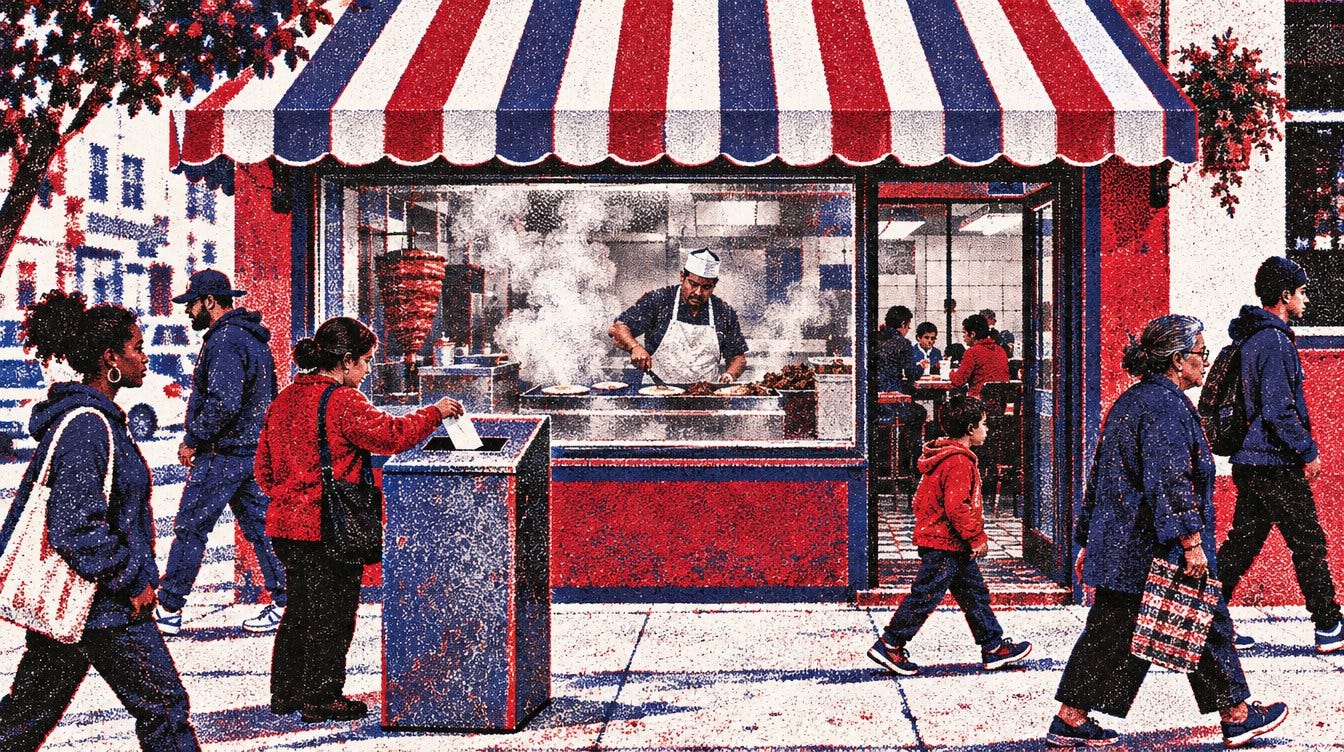
3. Immigration Policy Is Food Policy
They cooked our lunch and got arrested for it
A big portion of the people who plant, grow, harvest, pack, transport, cook, serve, and clean up after the food we eat in America were born somewhere else. According to the U.S. Department of Labor, about two-thirds of farm workers are foreign born and about forty percent of them are undocumented.
We kicked off 2026 with a terrifying bang, as we saw ICE descend on Minneapolis and many other American cities. A lot of tension and tragedy came with that, but the story of how immigration agents ate lunch at a family owned Mexican restaurant in Willmar, Minnesota, then came back later to arrest the owners and a dishwasher who had served them lunch sadly lives rent free in my mind too.
It’s unconscionable that people who’ve worked so hard to feed us all have to endure this kind of treatment. These stories are not abstractions. They are the line cook who made your eggs this morning at the diner you’ve gone to for 11 years. They are the crew on the farm who show up at four in the morning to pick the produce that’ll go into your kid’s school lunch. They helped build this American food system of ours. And we’ve never really paid them back with a strong sense of security or respect. This election won’t fix all of that. But Congress funds those raids and the people we elect today get to decide if those checks get bigger or smaller.
4. Small Food Businesses Need Help
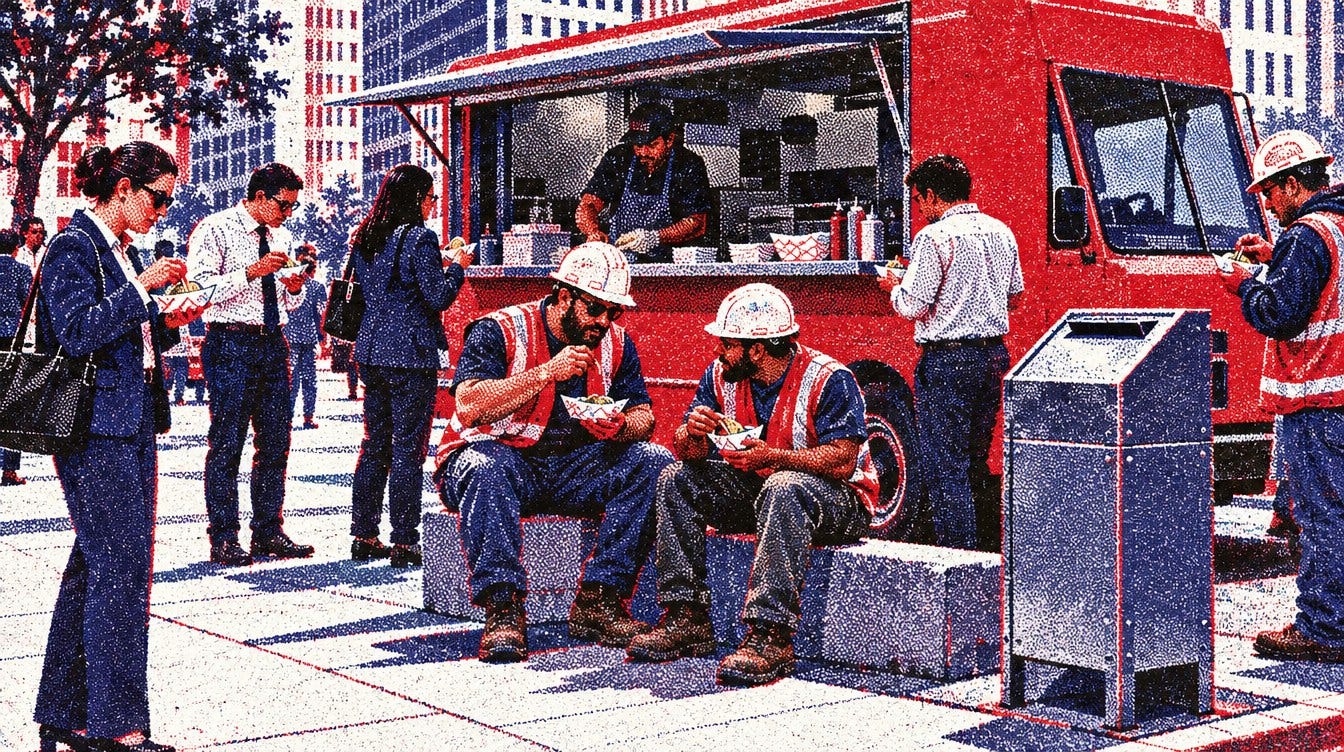
Everything from tariffs, to fertilizer shortages, to ICE raids hit the indie food business harder than the big box chain business.
If you’re a small business in food, this year was hard. And a lot of that difficulty came from Washington DC. The trade “war” and weaponization of tariffs jacked up the price of everything you might be importing. If you’re a farmer or someone who buys from farms (which is essentially everyone), fertilizer prices nearly doubled after the Strait of Hormuz was closed. And on top of that, ICE agents routinely raided businesses to arrest cooks and farmworkers, causing untold disruption to the small businesses that have the hardest time recovering from it.
A big grocery, restaurant, or agricultural corporation felt the pain too, but typically has a bigger war chest to ride out the storm. But a 300-acre farm can’t. Nor can a 40-seat restaurant. These kinds of issues can become existential crises for a legion of small food businesses who may not survive a tough year.
And what happens when this happens year after year for a decade or more? We’ll lose more indie restaurants that we loved in favor of more national chains. We’ll have more sons and daughters of elderly farming parents who decide to sell the farm to a bigger operation, instead of taking it over when their parents retire or pass away. We’ll have fewer indie grocers on our corner and more Walmarts in strip malls providing groceries for an entire zip code. This erosion of the independent, small food business owner not only affects those families and the economy, but our culture.
Even if you don’t work in the food or agriculture industry, you eat its products. Ask yourself what kind of food you want to choose from. The local taqueria, the mom and pop Korean grocery store, and the indie hot sauce brand that you discovered on TikTok? Or do you want the corporate Mexican-ish fast casual chain, the big box retailer, and the Big Food condiment brand?
The big brands will be here regardless. But the people you vote for in the midterm can decide the policies that make life harder for the indie brands that add diversity, texture, and quality to our food system. Your vote today might decide if those beloved indies make it to next year.
5. Food Is Expensive For Everyone Now
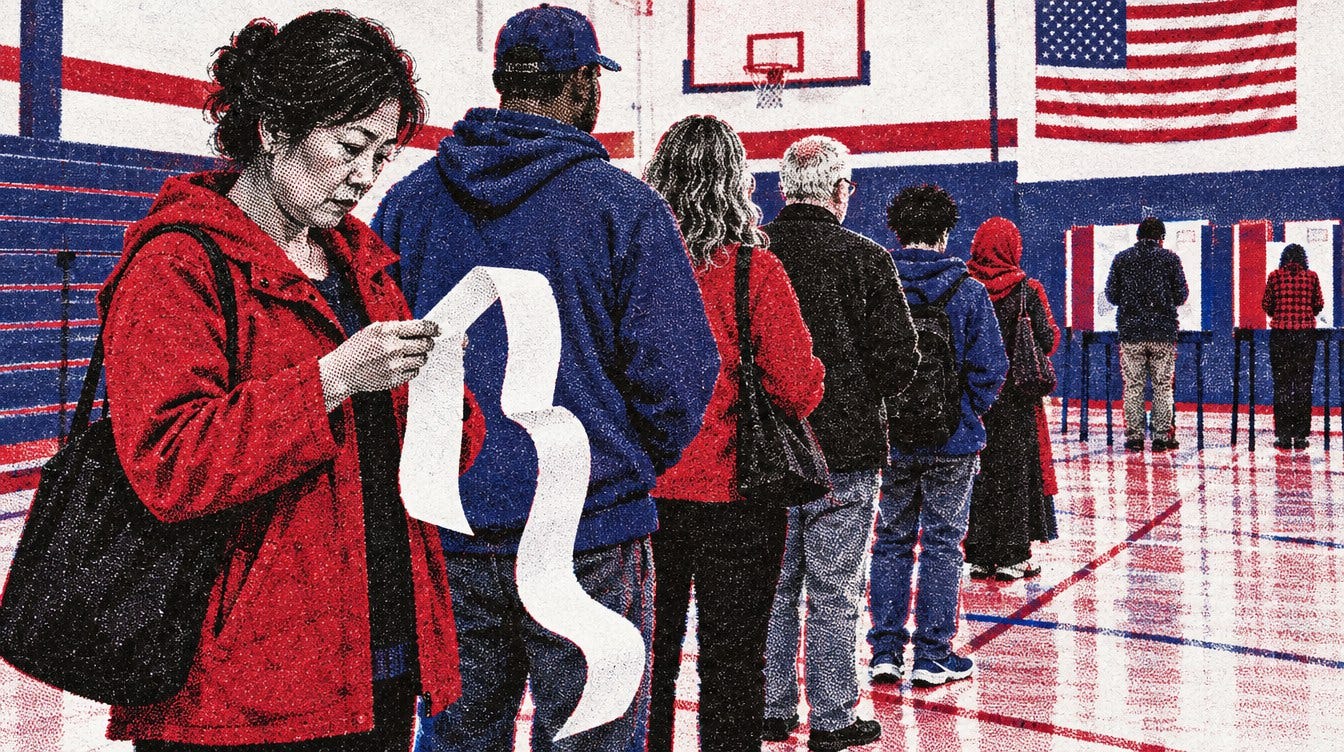
Everyone is paying more for food, including the families who can least afford to.
We grow more than enough food for everyone in America. It’s about 4,000 calories per person per day, roughly double what the average body needs. Yet, the USDA still counted about 18 million households in 2024 that were short on food at any point during that year. We’ve long solved the “growing enough food” problem in America, so the fact that we have so many food insecure people feels like a policy choice, not a physical limitation.
And in 2026, that choice made everything more expensive for everyone, not just the 18 million households experiencing food insecurity. Grocery prices kept climbing in 2026 and now cost about a third more than they did in 2020. Beef led the way, with ground beef hitting a record high near $7 a pound. The White House even paused its beef tariffs for 90 days to bring the price down, which is as close as it’ll get to admitting that it caused the price hike in the first place.
Now imagine you’re the head of a household that lost part of its SNAP benefits last year. Those budgets have been cut by our government, but those families don’t magically get less hungry. Instead, they’re probably going to buy more of the ultraprocessed stuff that MAHA has also been railing against. Not because they want to, but because it’s a cheaper way to feed their kids than buying fresh food. Not that they had any time between their shifts to come home and cook a scratch meal anyway.
Hunger, or the fear of hunger, in a country as wealthy and agriculturally productive as we are is a full on policy choice, not an accident. Today you get a choice in who will write the next policy.
Vote With Food in Mind
If you haven’t voted already, go now. The races today are close enough that individual votes can really matter.
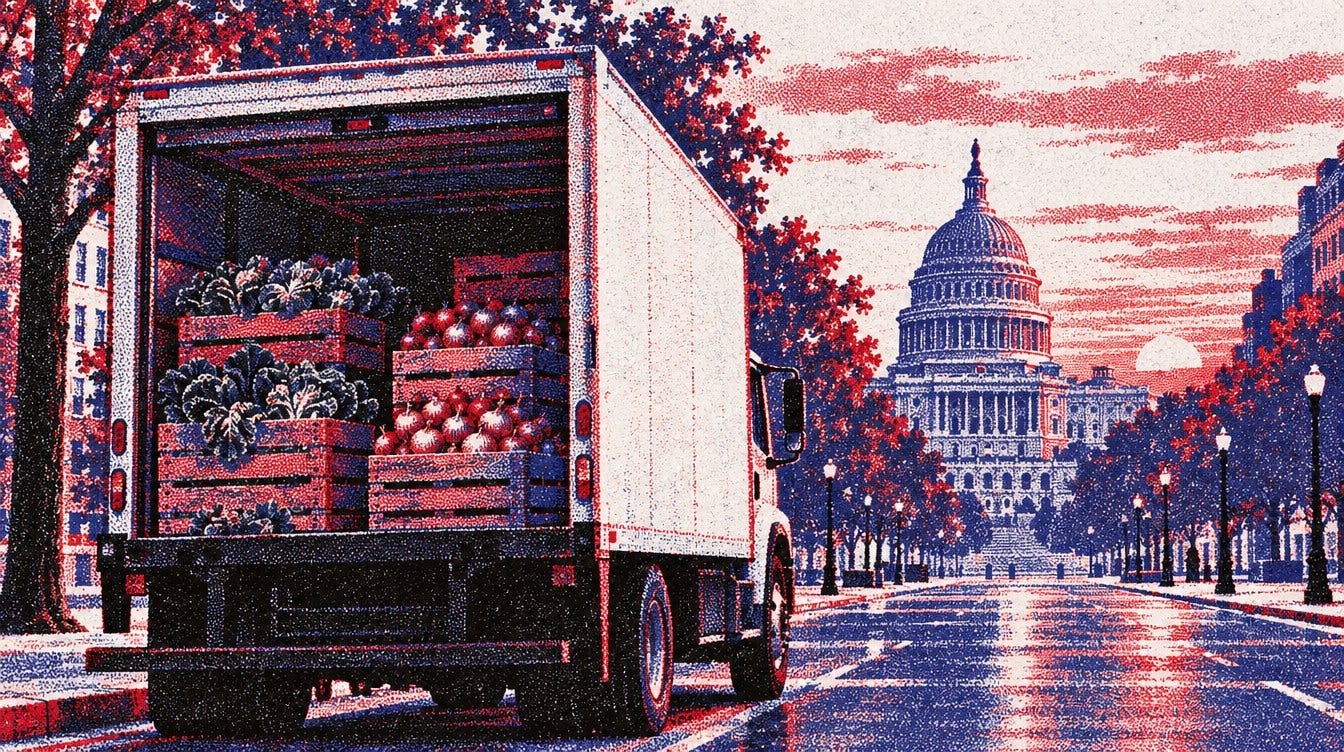
And when you’re in the booth, consider how the people you’re voting for are likely to vote on the plight of those people who made your next meal happen. None of their names are printed on today’s ballots, but our votes will affect them.
Maybe go grocery shopping right before you vote today. Pay attention to what you’re buying and who helped get it there. Pay attention to the receipt and how far your dollar is going and who it’s going to. Pay attention to who you’re going to feed with those groceries tonight.
I’m not going to tell you who to vote for. That’s obviously up to you. Hell, I don’t even need everyone to vote the way I do. Instead, what I want is everyone simply voting with food on their mind. Paying attention to our food system like it really matters. Because if we don’t take care of it today, it’ll certainly take care of us later.
—
Mike Lee is a food futurist and innovation strategist, author of Mise: On the Future of Food, host of The Tomorrow Today Show podcast, creator of Mise Futures, and is on Instagram at The Book of Mise.
What a great article. I want to shout the message from the rooftops!
This! This! All of this! Great article, these are the real issues hitting people everywhere.