



While America was watching other fires, the EPA released a routine rule about power plant turbines. Buried on page 215 was a single policy change: the agency will no longer calculate the monetary value of human health benefits when setting rules for fine particulate matter and ozone.
The news was first reported by The New York Times. Going forward, cost-benefit analyses will tally only the cost to industry. Lives saved, hospital visits avoided, children who don’t develop asthma—these won’t appear on the ledger.
I’ve spent just over a decade arguing that our economy operates with a fundamental accounting feature. Pollution, climate change, public health crises—these costs get categorized as “externalities,” pushed off the books and out of sight. This is a feature for polluters and a bug for everyone else.
But there’s a difference between a system that fails to account for these costs and a system that forbids accounting for them. The first is negligence. The second is policy.
The Language of Abandonment
The EPA’s reasoning: health benefit estimates were “too uncertain,” so they stopped counting them.
The spokesperson’s statement deserves to be read twice: “Not monetizing DOES NOT equal not considering or not valuing the human health impact.”
The capital letters are theirs.
How does a regulatory agency “consider” something it refuses to quantify? In a cost-benefit analysis, consideration without numbers is sentiment without substance. It’s the bureaucratic equivalent of thoughts and prayers.
Industry compliance costs will have dollar figures, decimal points, Congressional testimony. Health benefits will have... consideration. One side gets math. The other gets a vague gesture toward good intentions.
Every boss I ever had repeated the same mantra: “You can’t manage what you can’t measure.” Millions of business leaders live by this. So if we can’t measure human health, why would any corporation manage for it?
“False precision” is apparently a problem only when it benefits the public. You want to talk about false precision? U.S. nutrition labels relied on 1968 data for decades because the Dietary Supplement Act of 1992 legally blocked the FDA from updating them. Industry claims nutrient values are “stable,” but that ignores how soil geography and processing alter the food on your plate. We accepted precise, outdated numbers for nearly fifty years not because they were accurate, but because they were profitable.
We accept fuzzy estimates for GDP growth, weapons systems, and market projections every day. Nobody demands certainty before approving a defense contract. The question isn’t whether we can estimate things—it’s whether we want to.
What the Science Says
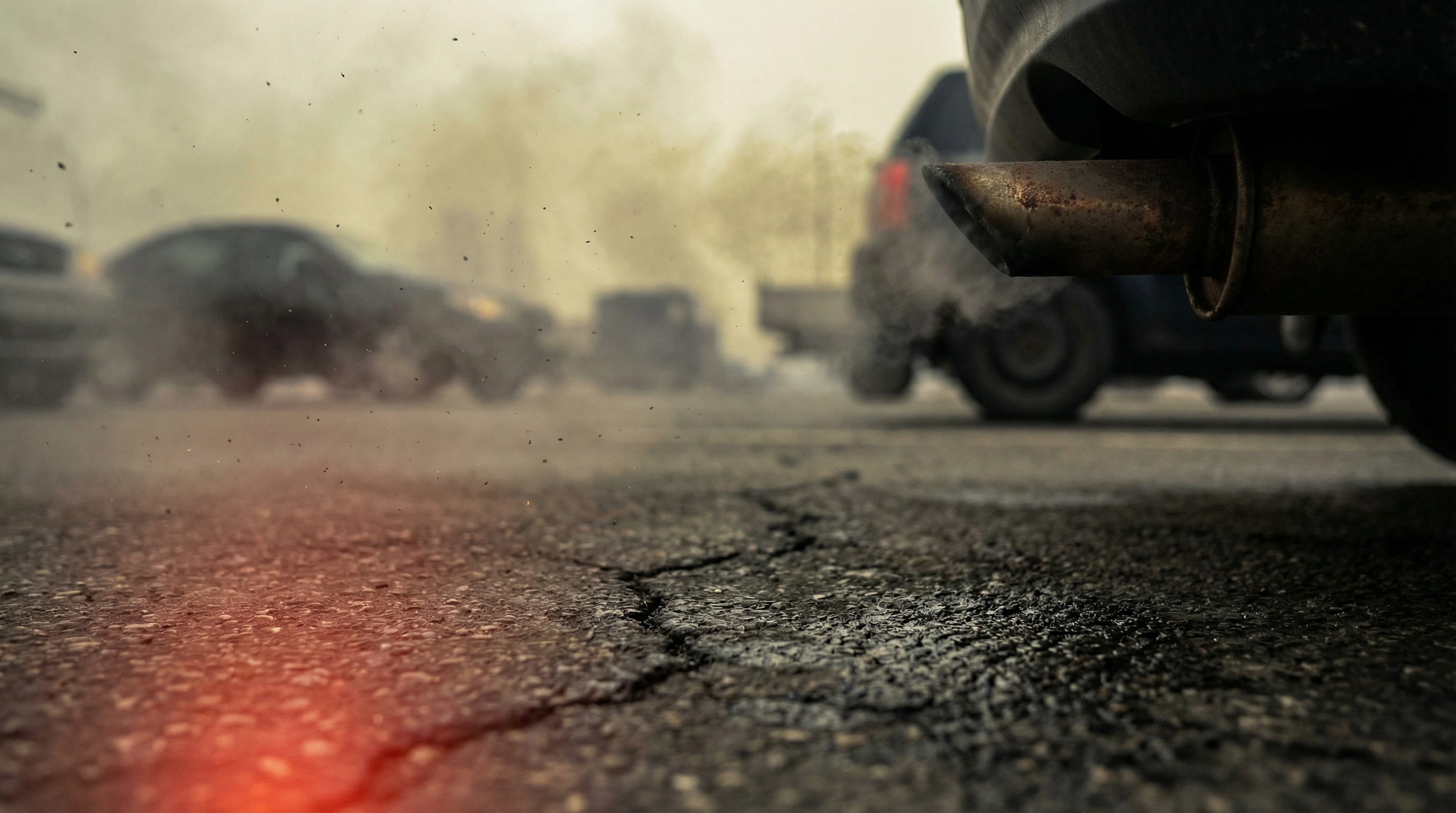
PM2.5—fine particulate matter, small enough to cross from your lungs into your bloodstream—is one of the most studied environmental health risks we have. The Harvard Six Cities Study established the basics decades ago: dirtier air, shorter lives.
By the EPA’s own estimates, Clean Air Act rules prevent over 230,000 premature deaths annually—benefits exceeding costs 30 to 1. Biden’s PM2.5 rule alone was projected to save 4,500 lives by 2032, returning $77 for every dollar spent.
The research hasn’t changed. The administration just decided to ignore it.
Turned Inside Out
This isn’t regulatory rollback. It’s mission inversion. The Environmental Protection Agency—shell intact, letterhead unchanged—now exists to protect industrial pollution from public health considerations.
It’s a timeless pattern: cash in on abundance now, at the cost of abundance later. And let’s be honest—this will be profitable. That’s the point.
Consider what this means in practice. Bayer has paid over $11 billion to settle Roundup lawsuits, with juries awarding individual plaintiffs billions in damages for cancers linked to glyphosate. Those verdicts are possible because we quantify human harm.
Under this new logic, the suffering would be equally real—but it wouldn’t “count.” How much more profitable would companies be if they never had to pay for the damage they cause? And for those harmed, can they pay for their chemotherapy with the EPA’s “consideration?”
Zero Dollars
We calculate betting odds on everything now. Super Bowl spreads. Election forecasts. Which celebrity couple will divorce next. Your phone offers a hundred ways to gamble on outcomes we can barely predict.
We price derivatives on the weather, the market value of an athlete’s knee, the expected returns on assets that don’t exist yet. We sliced and packaged subprime mortgages into instruments so complex they crashed the global economy—but we still put a number on them. Insurance companies assess the worth of a limb, an eye, a year of life. Wrongful death lawsuits assign dollar figures to human existence every day.
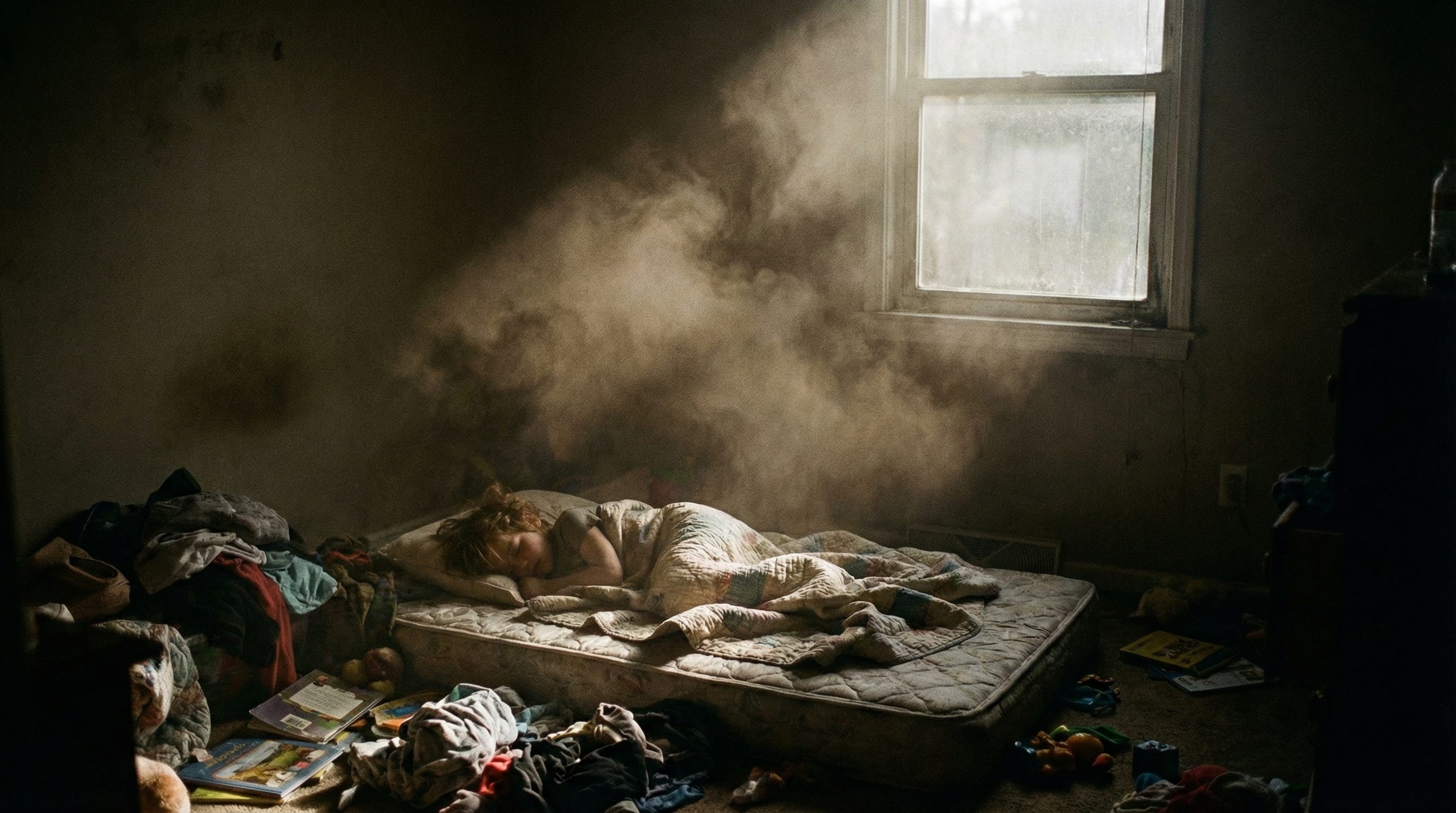
But the lungs of a child developing asthma from particulate exposure? Too uncertain to price for the EPA.
W. Kip Viscusi, the economist who developed the federal calculations for valuing human life, called the move ‘irresponsible’: ‘Even before 1980, they didn’t say lives were worth nothing. There’s always been a non-zero value attached to lives. Until now.
The Quiet Threat
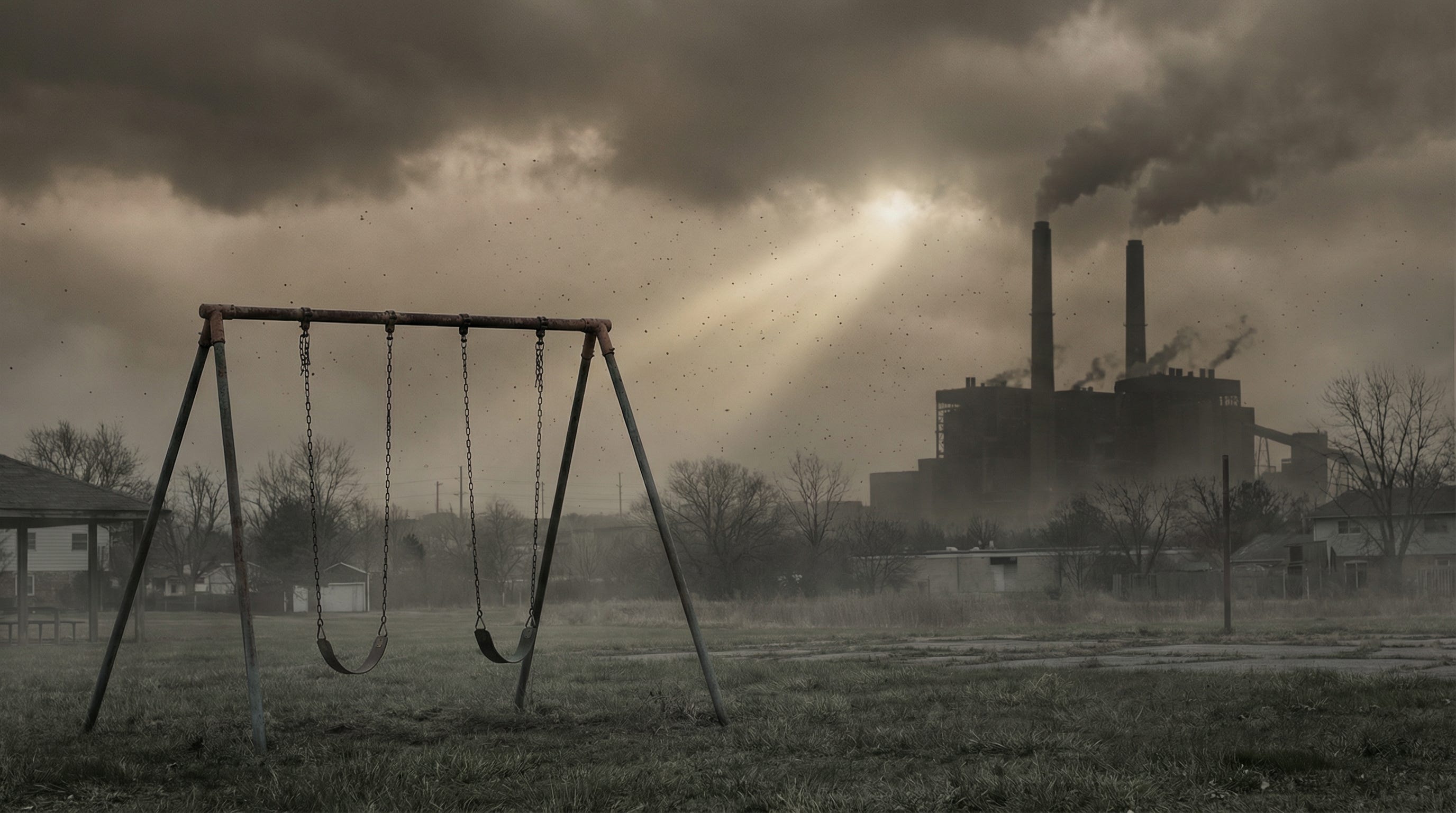
Some threats announce themselves—an attack, a crisis, agents in the streets. But other threats slip past the headlines: a rule change on page 215, a methodology quietly sunsetted, a cost suddenly deemed too complicated to calculate.
These don’t generate marches or trending hashtags. They accumulate. And then, years later, people start getting sick, and nobody can point to a single moment when it began.
If the federal government decides it’s impossible to estimate the benefits of reducing air pollution, what hope is there for valuing soil health, pollinator services, aquifer degradation? The message will be heard by every executive who has spent years resisting sustainability accounting: if it can’t be seen on a quarterly earnings report, it doesn’t exist.
Is this the enshittification of the food system? Of air? Of the basic systems that keep people alive? Not a dramatic collapse. Just a slow accumulation of cuts, each one too small to fight on its own.
The EPA was created to protect you from polluters; now it protects polluters from you.
—
Mike Lee is a food futurist and innovation strategist, author of Mise: On the Future of Food, host of The Tomorrow Today Show podcast, creator of Mise Futures, and is on Instagram at The Book of Mise.
Another powerful reveal. Absolute insanity that human life has been deemed too hard to measure, aka valueless. Time to create a new way forward once & for ALL
Thank you for shining the light on this. It pained me to like it because I hate the whole concept of this… These dastardly magic tricks of watch this hand while the other hand is creating long-term devastating effects for our citizens and our country and our world. I have to wonder when the tipping point will come.