


Liquid Death water rose to fame on a completely gonzo brand idea: water could be irreverent and absurd. Because of it, you can now buy canned water with a skull on it that also happens to be planet friendly. In a sea of plastic bottled water, aluminum is the more recyclable choice, one that could shrink the mountains of plastic their competitors send to landfills.
Switching from a plastic bottle to an aluminum can isn’t as sustainable as it seems, despite what Liquid Death claims. The aluminum can cuts out plastic waste, but adds energy consumption. The plastic bottle is a non-biodegradable scourge in landfills and oceans, but it’s lighter to transport and less energy intensive to manufacture compared to aluminum.
But no one ever talks about that. We move through our day and hear the simple pitch that aluminum is more sustainable than plastic and leave it at that. It seems plausible and beneficial, so we hit the can and feel good about our choice, doing our part to help the planet.
I don’t think this means we’re all dumb or acting with ill intentions. The food and ag system is enormous and no one can hold it all in their head at once, if they’re even aware of it at all. So we end up making decisions on whatever information, flawed and incomplete as it may be, is right in front of us. And most of the time, it’s the thing we see on the front of the package or the last thing we heard on TikTok.
Sustainability Is A Bundle Of Arguments
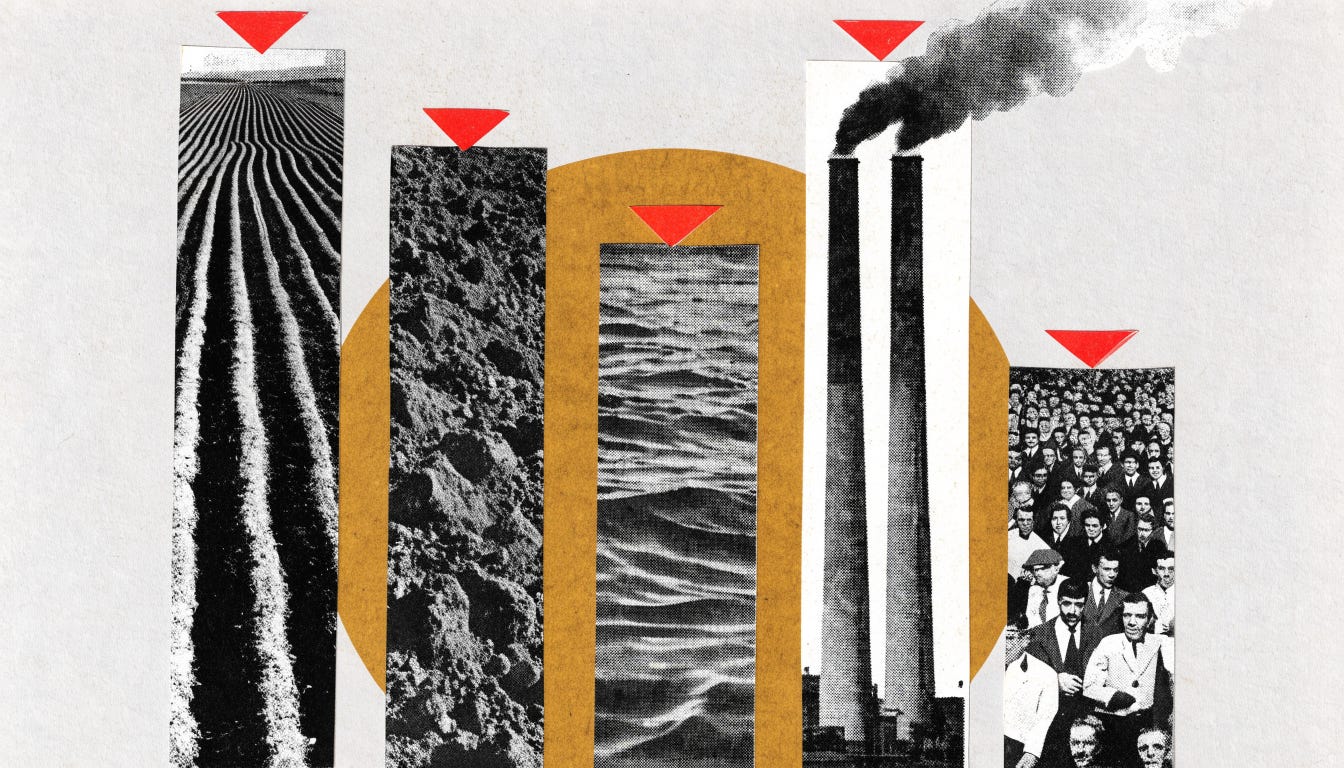
Sustainability is not a perfect word for what it tries to describe. And we use it as a single word, shorthand for a whole range of goals that don’t always align. Lowering carbon emissions, increasing biodiversity, reducing water drawn from rivers already running low, healthier soils, food for everyone, farmers making a living. Those are just a few of the people, planet, and profit measures all crammed into one adjective that has to fit on a front of pack label.
Being “sustainable” isn’t a light switch that’s on or off. It’s more like the graphic equalizer on your favorite music player, with up to a dozen sliders that each move independently. A food can be high on the carbon slider and low on the water one at the same time. Another food can be the inverse. The more honest thing to say is clumsier: “this food is sustainable when it comes to carbon, or water, or the people who made it, but is maybe less sustainable for other factors.” While that is usually the more true statement, no one wants to read that on a package and a brand manager would be fired for printing it there.
Sometimes the sliders move together. Healthier soils hold more water than unhealthy ones, and they happen to hold more carbon too. A win-win if you’re looking at water retention and carbon capture. But plenty more of the time, they fight each other and it’s tough to tell from a label which factor(s) the company decided to double down on.
A plastic water bottle is lower on carbon emissions than glass or aluminum, but that plastic ends up in a river for a thousand years. A farm that grows more biodiversity can have higher unit costs for each of the food items it grows. A burger made from “bleeding” yellow peas skips over the feedlot, but trades one monoculture for another. Every food company on the planet has to make these tradeoffs each day.
Context changes the calculus too. Liquid Death is a great choice at a rock concert where you can’t bring in a refillable bottle, and a worse one at home next to a faucet with clean tap water. Nothing changed about the can, except the situation.
Where Do You Draw The Line?
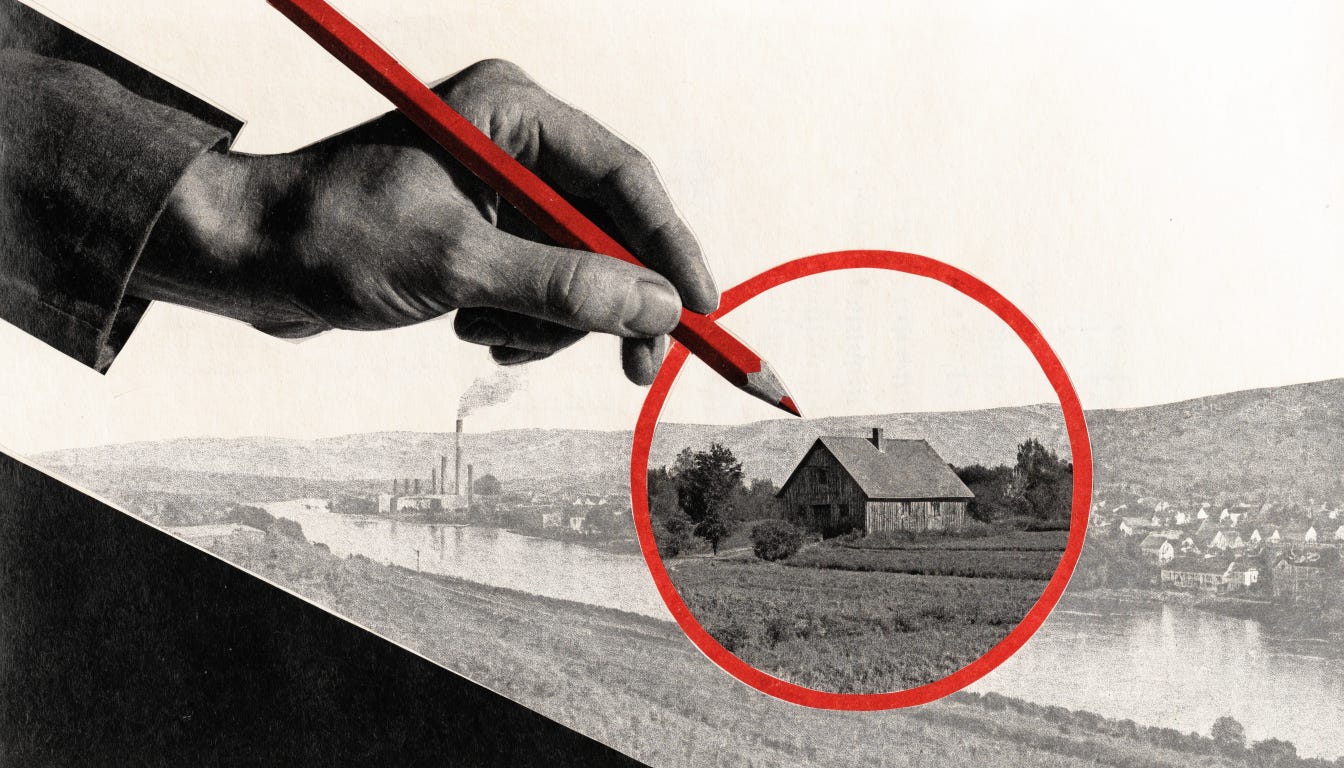
The tradeoffs look different depending on where you draw your measurement line. For example, plastic wrapped cucumbers. Looks horribly wasteful. But when some researchers looked more closely at some shipped from Spain to Switzerland, the story was more complicated. The plastic wrap prevented enough spoilage that the emissions from food waste prevention were a lot bigger than emissions from making the plastic.
And if you draw your measurement lines around the plastic and the landfill waste it creates, the plastic wrap looks terrible. But if you look broader at the whole journey of the cucumber, the plastic seems more worthwhile. Neither measurement is dishonest per se, they’re just answering different questions.
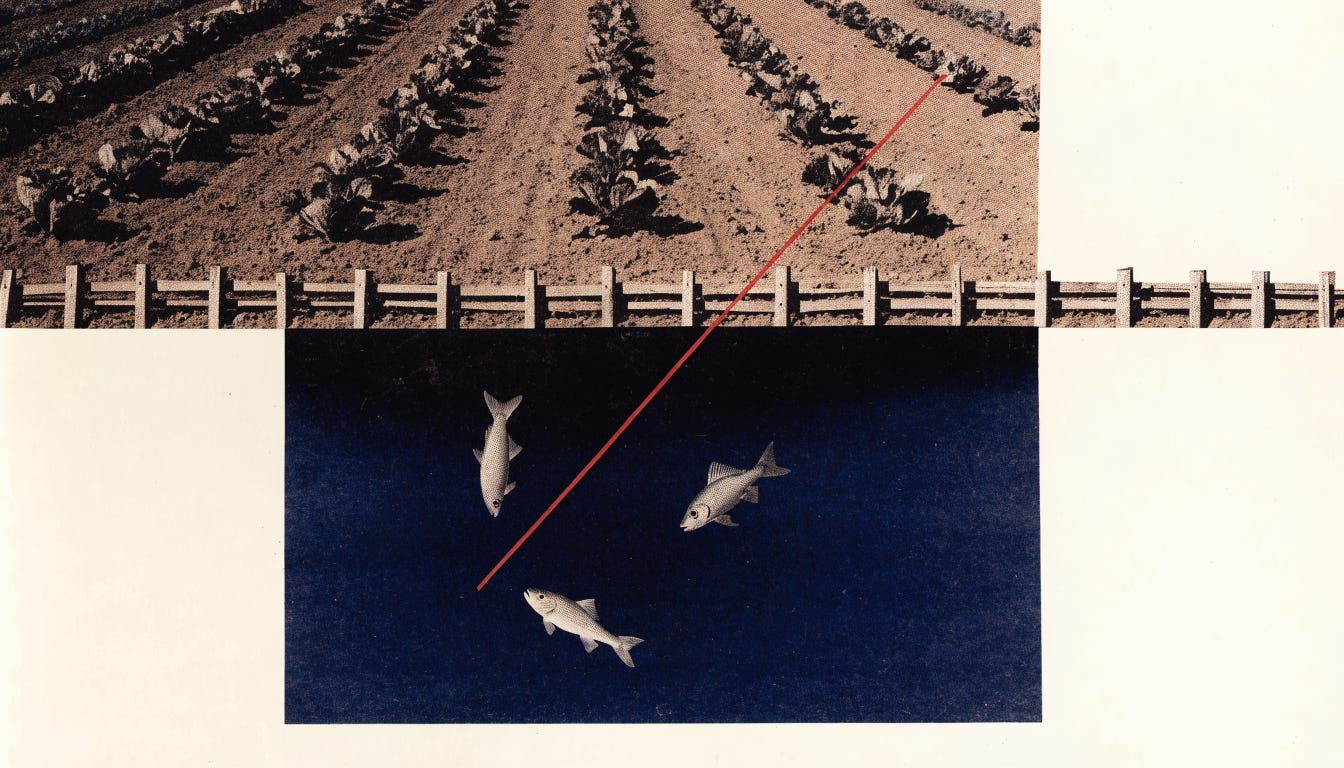
Farms work similarly. Organic farming makes the soil healthier and it can store more carbon, but there’s less food grown per acre than monoculture farms, which have their own problems. If you look at just that organic farm, things probably look pretty good. But if you care about fish, you can see that organic rules allow for copper sulfate as a fungicide, and the copper that runs off into waterways is deadly to them.
I’ve heard enough sustainability conversations to know how things often go: the measurements happen where the numbers look best. After all, people don’t put their biggest weaknesses and failures on their resume, they just put the best stuff. But the first step to having a more honest and productive conversation about the future of our planet and our food and ag system’s impact on it is to start saying out loud where our measurement lines fall and why we put them there.

Nobody Gets To Be Harmless
Knowing all of this, plenty of people in food and ag have given up on the word “sustainable” and have focused their attention on two better ones: regenerative and circular.
The regenerative movement stands by a word that is much more active. Regenerate the land and leave it better than you found it. More life in the soil. More water was held in it. Both of which you can measure. Circular tells us to loop the “leftovers” back into the system, because we can never truly get rid of anything on the planet, so we should use it and take care of it in a responsible way. That means spent beer grain gets converted into flour. Veg trim goes into sauce.
Both movements are a big step in the right direction, toward a more honest and responsible paradigm that takes the soil, water, growers, eaters, and everything around them into account. They still have their faults, like the lack of a universally agreed-upon definition for regenerative agriculture, but we should not let perfect get in the way of progress.
Because two things can be true at once. Growing, harvesting, processing, and eating food will always use natural resources and alter the land. Anyone selling you a food product that tries to keep you from ever thinking about the planet is selling the same vibe as the can of water with the skull on it: fooling you into thinking you already did your part.
But not having a harmless option is no excuse not to care. Yes, aluminum can only solve half the sustainability problem. But we can try to run the aluminum smelter on cleaner power. Let people refill water bottles at the concert. Convince investors to stop funding bottled water brands in general. None of these is a silver bullet, but together they can add up to something that feels like one. The trick for us all is to start having a more honest conversation about which environmental costs we’ve chosen to optimize for, and admitting the ones we didn’t.
—
I take on these issues and more, in Mise 02: The Restaurant Issue, like the future of regenerative agriculture, where a fine dining restaurant in the year 2040 draws its luxury from the quality of the soil its food is grown in—tableside soil dusting ceremony and all.
—
Mike Lee is a food futurist and innovation strategist, author of Mise: On the Future of Food, host of The Tomorrow Today Show podcast, creator of Mise Futures, and is on Instagram at The Book of Mise.
Superb writing. In French the word instead is durable, and the notion of lasting longer in food business, taste, environmental integrity and decent work has always resonated with me.
Great point about the sliding scale. Another way of looking at 'sustainability' is the scale at which we apply the term. People talk about 'sustainable' in terms of what they personally do but the problems we have are about the aggregate of everyone's impacts.