


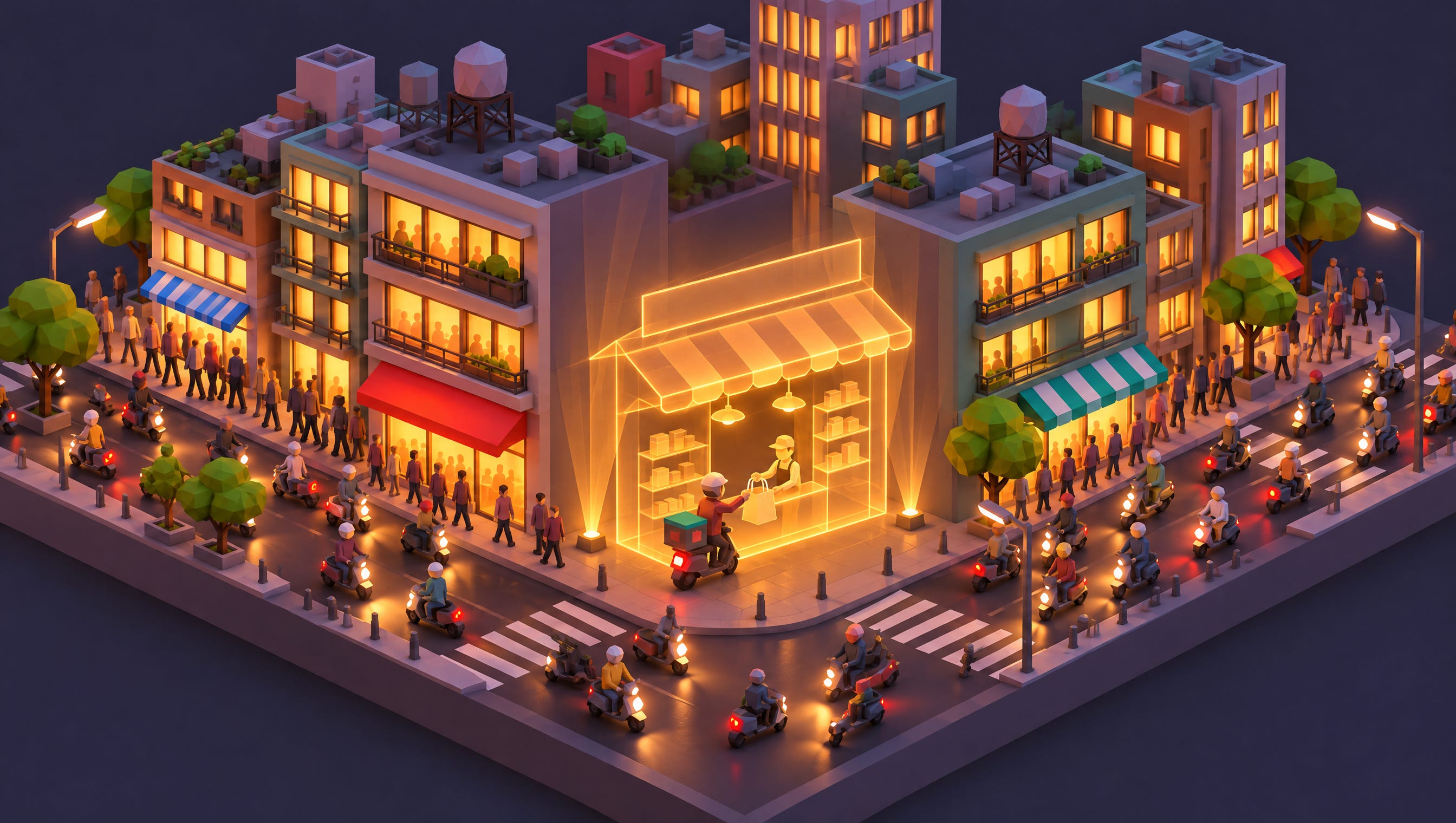
We’ve seen multiple iterations of the ghost kitchen idea over the past decade. The first version was a restaurant that dropped the dining room and cooked just for delivery. The second introduced multiple restaurant concepts in one location, selling wings under one digital brand name and Indian food under another. Now, enter Wonder: the ghost kitchen on steroids that owns Grubhub, its own kitchens and retail locations, and an app.
Wonder operates over two dozen restaurant brands of its own and recently introduced Wonder Create, a tool that lets anyone create a “food brand” on its app, without having to cook a thing. It’s targeted at creators and influencers, who type in a description of the food they want to sell and the consumer they have in mind, and then Wonder’s AI writes them a menu, complete with suggested pricing, a brand name, and a logo. Voila! A virtual restaurant brand is created.
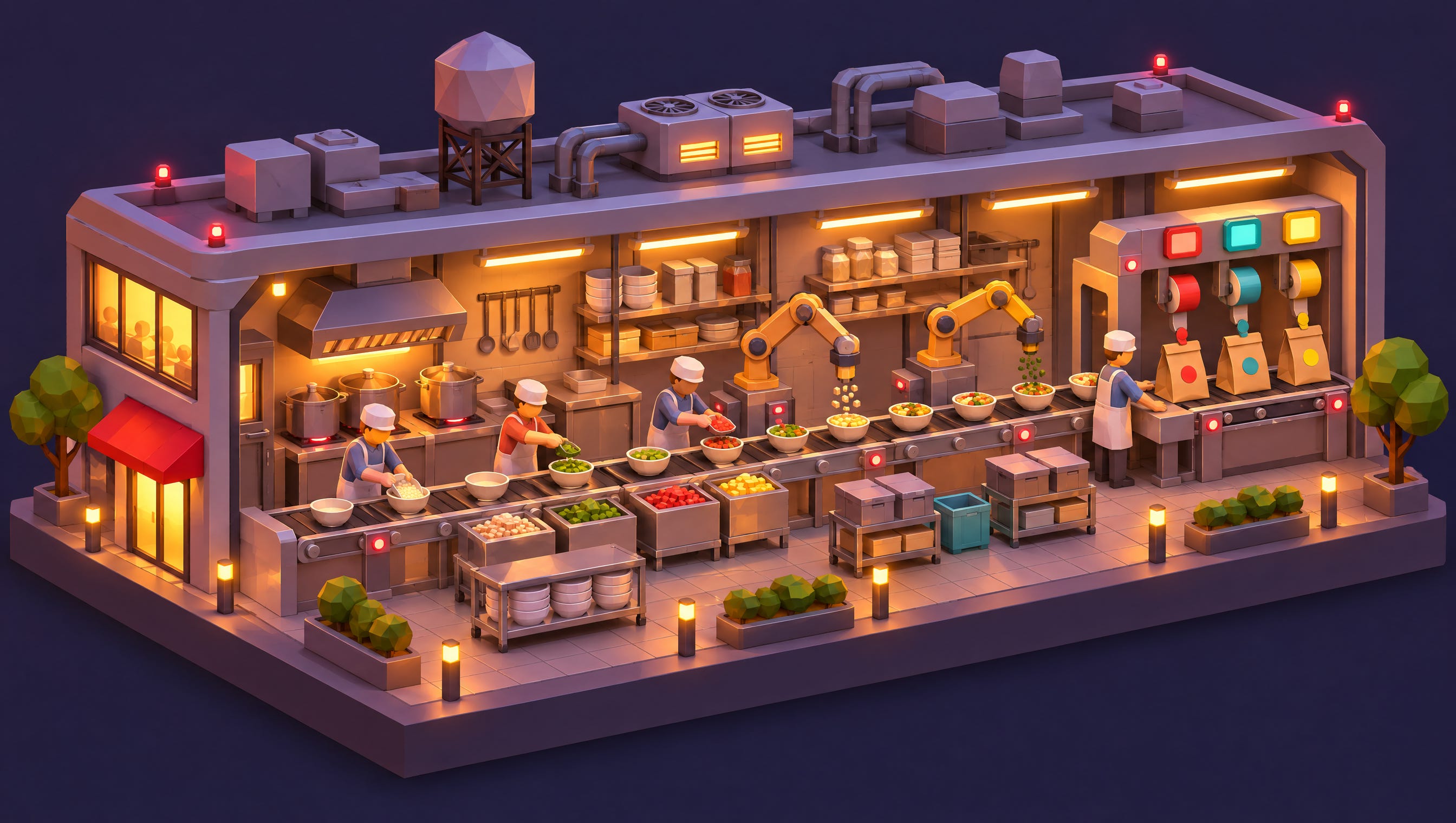
This virtual restaurant isn’t a restaurant in the traditional sense. It only exists in the Wonder and Grubhub apps. Wonder’s kitchens make the food, using an automation-assisted assembly line, and get it delivered with the creator’s branding emblazoned on the bag.
For now, menu items have to fit into the salad, bowl, wrap, or burrito category and be made from the approximately 130 ingredients Wonder stocks. Creators set their own prices over a minimum amount and earn a share of the proceeds. All they have to do is subscribe to the program, which starts at $10 per month per Wonder location.
All of this makes starting a “restaurant” about as easy as making a Spotify playlist. “Restaurants in our world are just software,” said Marc Lore, Wonder’s founder, which, depending on your emotional relationship with restaurants, can sound utterly blasphemous. Lore built Diapers.com and Jet.com, which he sold to Amazon and Walmart, respectively. Digital retail is his schtick and Wonder is his latest venture.
But while Diapers and Jet were straightforward e-commerce plays selling stuff from the usual CPG giants, Wonder Create empowers the public to join the creator economy in the restaurant industry. An industry that’s difficult to enter and even harder to succeed at, and one that shapes culture more than any box of diapers can. So what might happen once anyone with a smartphone can create a “restaurant” like this?
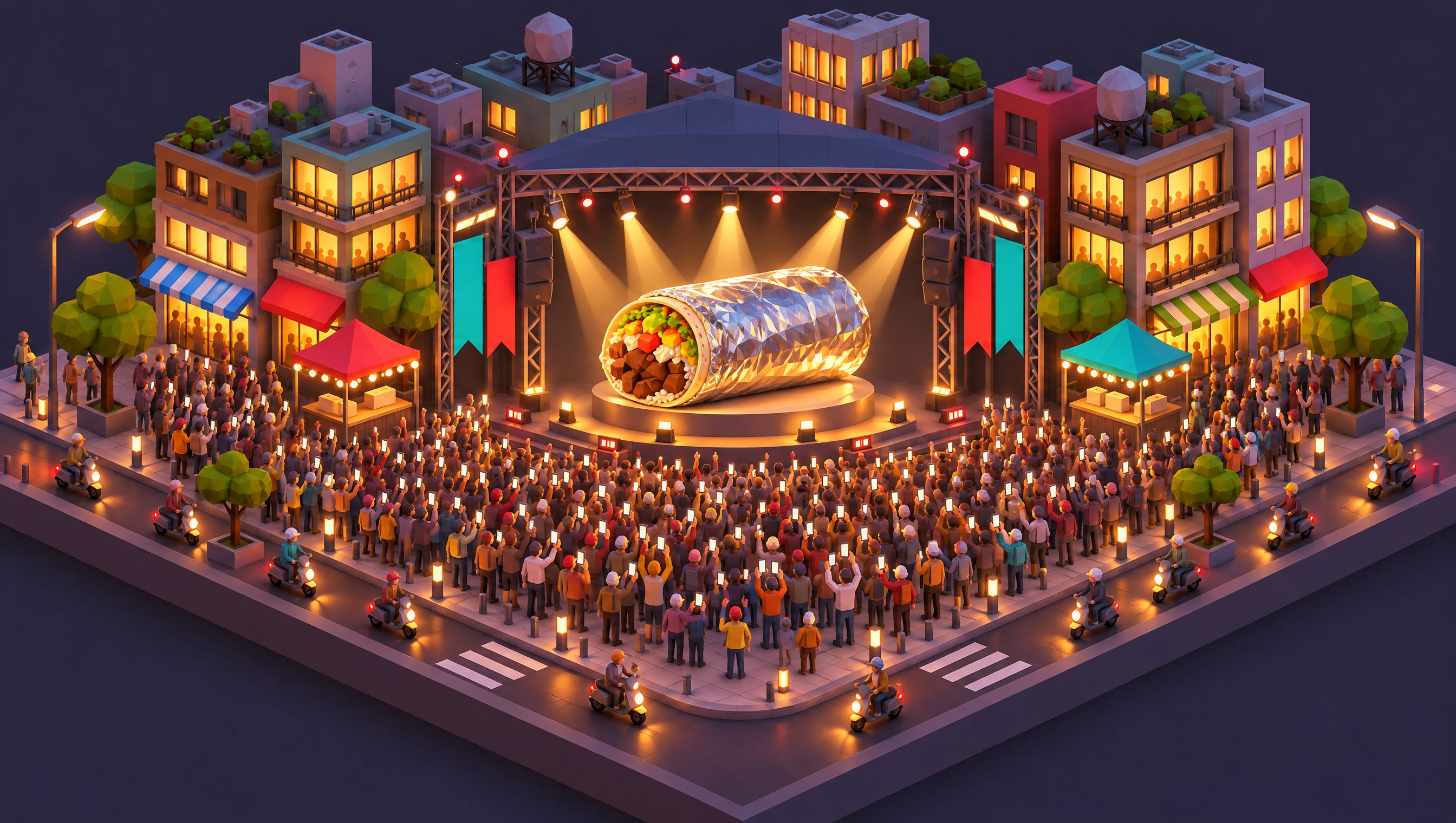
Digital Foodservice Economy
Food has been a few steps behind other industries where the product is easier to move through the internet. Blogging disrupted media before food delivery apps did it for restaurants. Podcasting disrupted broadcasting before e-commerce did it for grocery stores. In media, it got cheaper and easier to produce something and distribute it to a global audience. As a result, the landscape of things we could read, watch, or listen to expanded exponentially.
Some of that new stuff was better than anything legacy media companies were putting out. Most of it was mediocre. And a lot of it was bad. AI has poured gasoline onto this, as the barrier to entry has fallen even further, with generative AI helping anyone turn an idea into content instantly. The upside is that everyone in the world can contribute to a global conversation. But the downside is also that everyone in the world can contribute to a global conversation.
If Wonder Create somehow does the same in restaurants, we’re going to get a flood of new bowls and wraps to process. Opening a restaurant has always been hard. Wonder Create lets you sort of do it for $10 a month, and what’s wild is that a whole lot of people who may or may not have anything to do with food can now compete against restaurants.
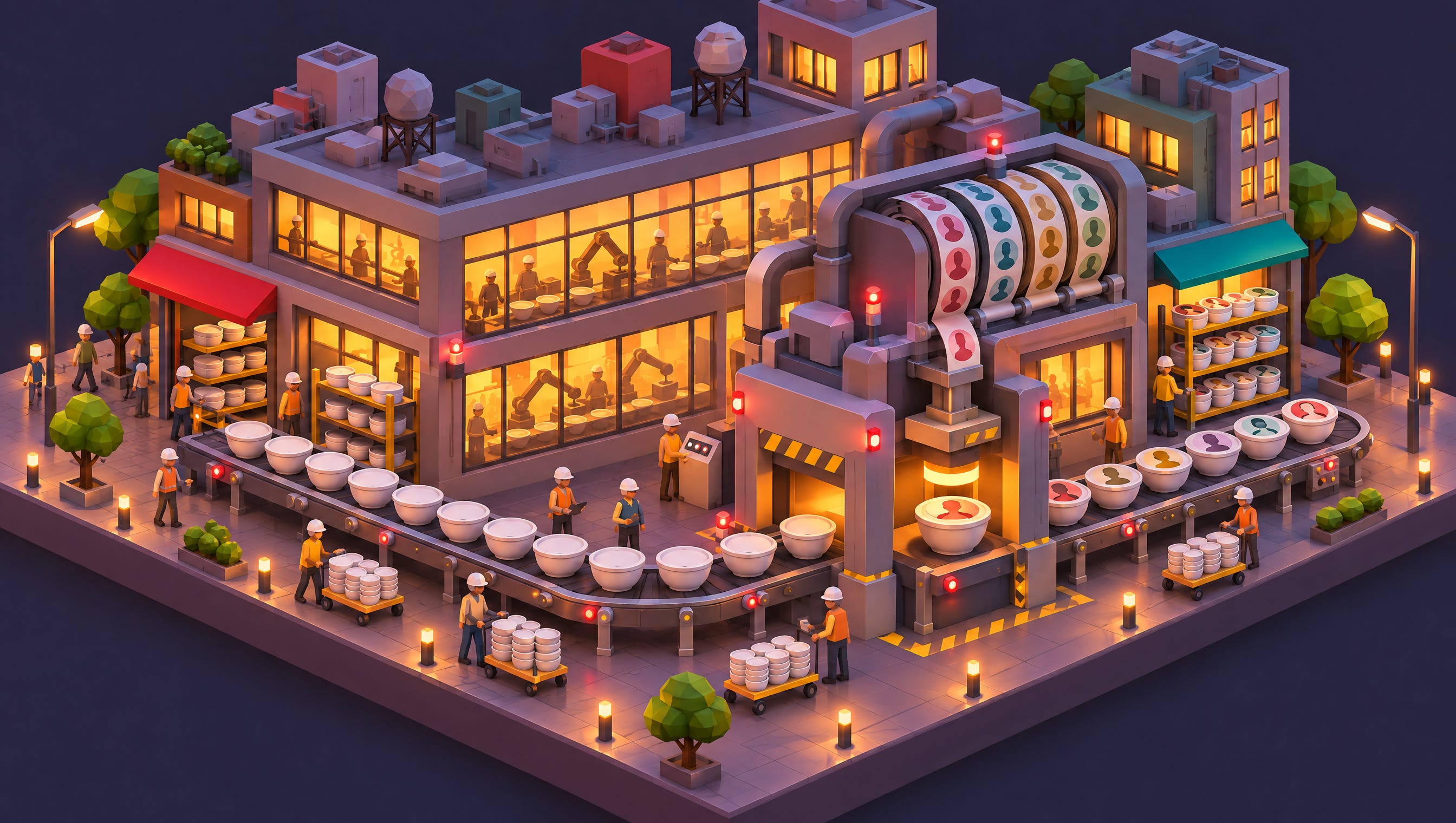
When everybody’s food comes out of the same kitchens, what separates you from your competition is who knows more people. So the already well known will get the advantage. It doesn’t matter if Justin Bieber’s Wonder Burrito sucks, because his fans will buy it anyway.
But influence is relative. So it’s easy to imagine this dynamic happening in smaller social circles than a pop star’s. Say your kid’s school does a fundraiser on Wonder Create and every kid creates a bowl to sell to parents and family. And people will probably buy them, but they’ll buy them to support the kid, not the food.
I made up the burrito and the fundraiser, but fundraising is already on the Wonder Create roadmap. The Girl Scouts and Food Bank For New York City are two of its first partners, and proceeds from their virtual restaurants will go to them.
People with influence have had an outlet in food before, in packaged food, but a packaged food brand is hard and expensive to launch. Wonder Create makes it cheap and quick, so influence will enter restaurants in a new way. Is a kaleidoscope of celebrity and influencer “generated” slop bowls food? Sure. But it’s also edible merch.
Paint By Number
The Wonder Create recipe framework seems like a big paint by number. About 130 ingredients go into a salad, bowl, wrap, or burrito. Which is something like 1.6 trillion ways to create an eight-ingredient bowl. It’s more combining than cooking. Like an Amazon robot in a warehouse picking a dozen items that go into a box that’s shipped to your house. The food is a widget and Wonder Create attaches a face to the widget.
Even still, what if it catches on? Take it with a grain of salt, but Lore plans for Wonder Create to be in 30 locations serving 30 million people by the end of 2027. Ordering creator-branded food could be as normal as ordering a pizza. And maybe we’d see a cottage industry of Wonder Create hustlers running a dozen virtual restaurants for a living, just like people do with Uber and Lyft and other gig economy stuff.
If Wonder Create takes off, spawns copycats, and impacts restaurants the same way blogs and YouTube affected media, we’re about to have a lot more food to choose from. Some of it might be good. Some of it might be bad. Most of it might be fine. What we ultimately order will shape how this goes. If we start buying burritos and bowls just because an influencer’s face is on them, we’ll get more of that.
And with more of the attention going to the face attached to the food, do we start to forget about the food itself?
—
Mike Lee is a food futurist and innovation strategist, author of Mise: On the Future of Food, host of The Tomorrow Today Show podcast, creator of Mise Futures, and is on Instagram at The Book of Mise.
One step closer to a Star Trek food replicator.