


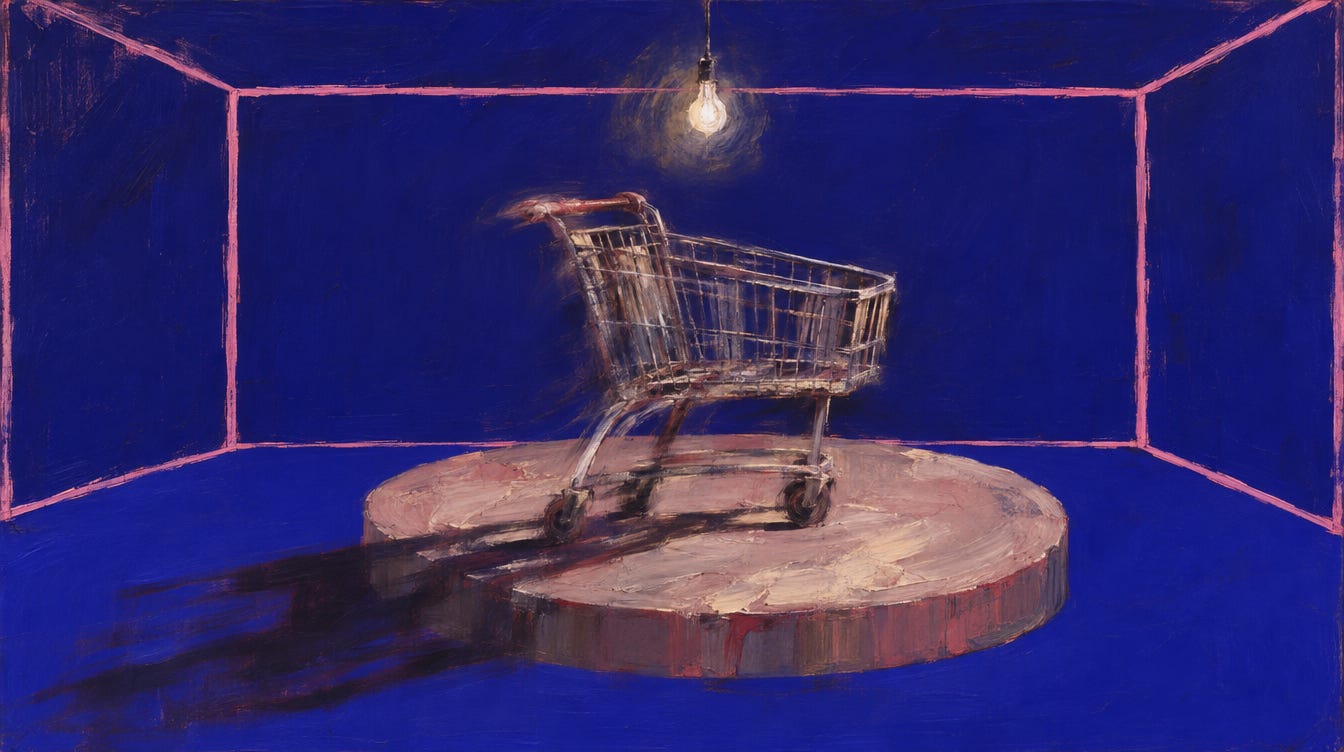
The blue wave happened last week. Democrats took control of the Senate and House. Kansas elected its first Democratic senator since 1932. North Carolina went blue. Hinojosa beat Abbott and Talarico defeated Paxton in Texas. Amy beat Vivek to become Ohio’s first female governor. Keisha became the first Black female governor of Georgia. Deb Haaland won the governorship in New Mexico and is the first Native American woman governor of any US state in history. And El-Sayed enacted Shawarma Law in my home state, Michigan.
Even Trump went on Fox News to say the Democrats “did a good job.”
And millions voted as if he was on the ballot, supporting candidates who ran on improving the cost of living. On lowering the price of groceries, gas, and rent. On promoting unity, not divisiveness. On helping the many, not the few.

What This Means For The Food System?
The first item arises before the new winners are sworn in. Congress has until December 31 to pass the farm bill or extend it again. It’s been running on extensions since 2023 and is the law that pays for farm programs and SNAP.
One big fight in the farm bill is over SNAP. Starting October of next year, states will have to pay part of that cost and the Dems want to move that date back. Because states that suddenly have to contribute millions of dollars for SNAP will start finding ways to cut people from the program. Democrats want federal funding to keep picking up the whole tab as it always has, for at least two more years.
And since the GOP can’t get the farm bill passed in the Senate without Democratic votes, the Dems don’t want to vote for it until the contribution deadline is pushed back. The newly elected members of the blue wave can’t vote until January though. But that’s why the right wants to get the deal done in December, because whatever can’t get done by December 31 will get written by a new Democratic majority that can write the bill to give states more time.
Governors can act faster. Greg Abbott turned down Summer EBT, the federal program that puts grocery money on a card for kids when school is out, every year it was offered. But Gina Hinojosa is in charge of Texas now. Like Keisha Lance Bottoms is in charge of Georgia. Like the many other state governors that flipped blue. And its the governors decide how SNAP access in their states work and whether kids get free school lunch.
This election was eventful. And it cost a fortune. It was the most expensive midterm election in history and cost about $11.9 billion. That’s $11.9 billion we spent arguing about how to run the country, before anyone spent a dollar running it.
And one man paid about 1 out of every 25 dollars of it: Elon Musk, spending $474 million on this midterm election. The most any donor has ever given in a single election. And nearly all of that $474 million went to candidates who lost.
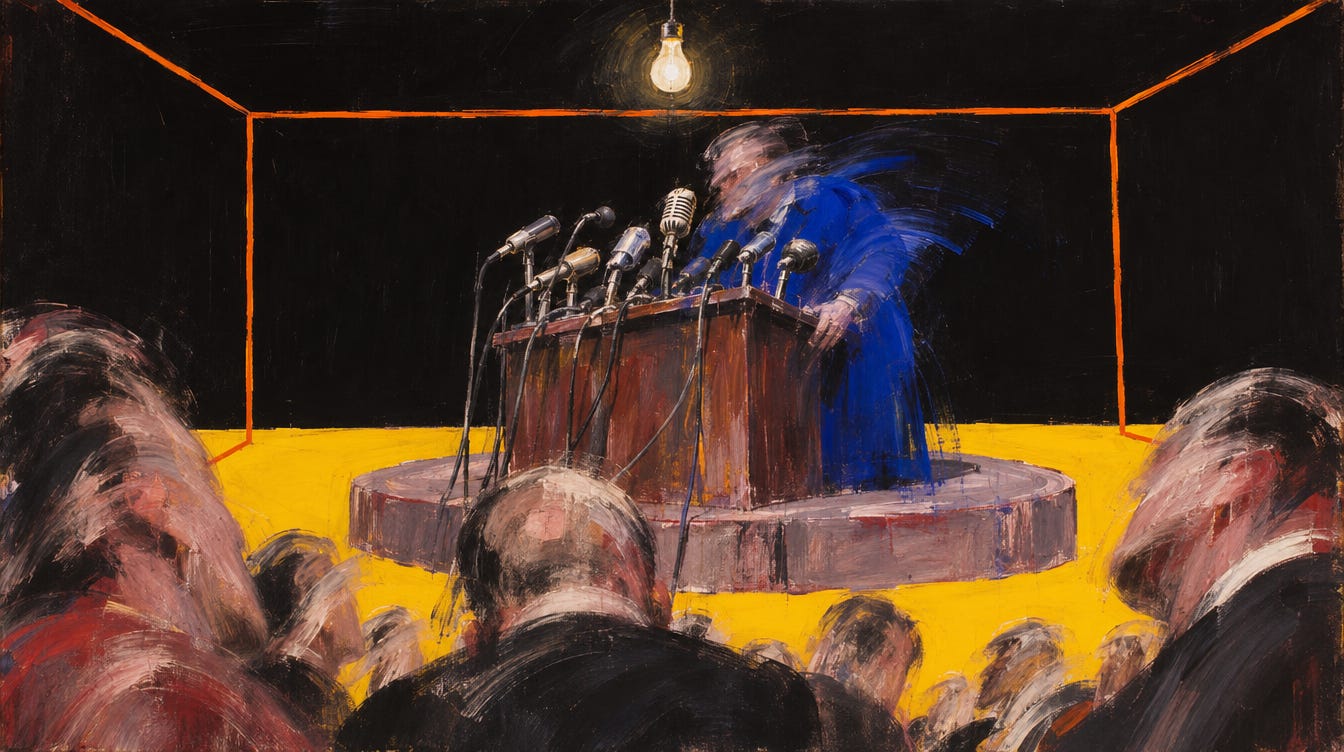
What Musk Wanted
Musk wanted two things to happen in Texas: Ken Paxton in the Senate and Greg Abbott hanging on as governor. And he spent $224 in Texas alone on these elections. The rest of the balance of the $474 million went to an assortment of Republicans via his super PAC, America PAC.
Nearly everyone he supported lost. He joked, “election-interfering space lasers not working this time.”
Musk wasn’t trying to put people in office to feed Texans and Americans. The federal government is one of SpaceX’s biggest customers. Texas controls the permits and taxes for his Tesla and SpaceX companies that are both headquartered there. He sells to and operates under the government, so the $474 million was a business expense for Elon Inc.
Recently, and depending on the day, Musk’s net worth is around $800 billion. So for Musk, $474 million is not a lot, percentage-wise, just 0.06% of his net worth. To someone with a million dollars, that’s like donating $560 to a candidate.
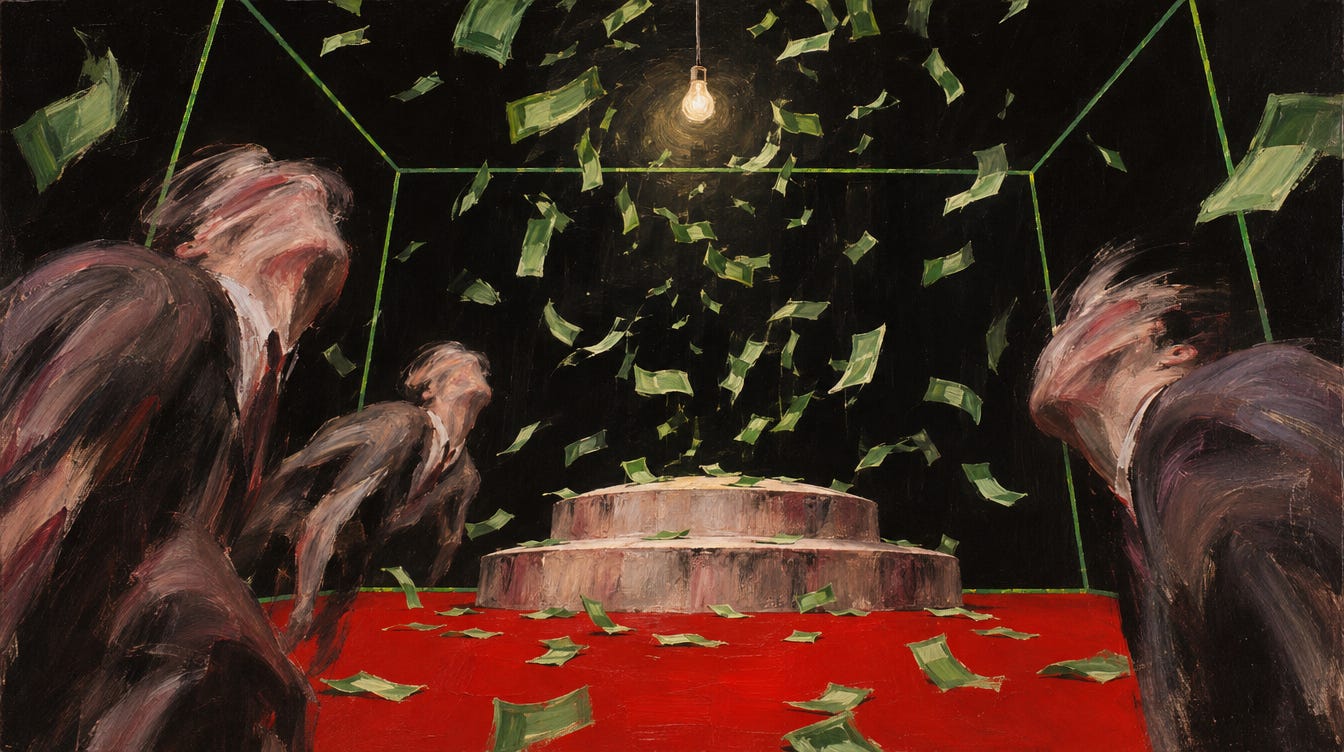
An Expensive Argument
The left had its billionaire donors too. George Soros donated about $102 million to various Democrats. Michael Bloomberg and Reid Hoffman each donated tens of millions more. It’s a lot. But almost 80 cents of every dollar that came from a billionaire went to a Republican candidate.
The winning Democrats’ money also came in smaller increments. Amy Action and James Talarico both received almost all of their donations from July to September in donations of $100 or less. And when a schoolteacher in Texas sends $50 to Talarico, she’s hoping that her state will run a little bit better and it’ll make her life a little easier too.
But when Musk drops $474 million on an election, the return on investment he’s hoping for is his alone to enjoy. Both of these things are legal, but I don’t think they’re morally the same.
Musk is an easy target. How does a man who was once respected as an aspirational innovator become so unlikeable so quickly? But I think the bigger question is not only his $474 million, but the whole $11.9 billion.
I know elections cost money to run and we do need to invest in elections that are secure, organized, and facilitates an informed electorate. No one expects that to cost nothing. But what I can’t get over is the sheer size of it.
My critique is bigger than just one guy or one political party. Musk’s team lost. Bloomberg’s team won. But we still spent $11.9 billion arguing about who gets to argue over how to solve a problem, rather than putting that money toward solving the problem.

For the People
The goal of government is to serve its people. And how can you serve the people if you don’t serve their food? And the Democrats have a window of opportunity to prove that they can. Maybe we can turn some of the old programs back on.
Like bringing back SNAP-Ed, which got killed last year even as RFK Jr. was promising he would Make America Healthy Again. Or the billion dollars earmarked for local food purchasing in school districts that the USDA cancelled. Or the $500 million of emergency food bank deliveries that it put on hold. None of restoring this even needs any new ideas–they just need their funding back.
All of that is cheaper than what was spent on this one election. Instead, $11.9 billion went to media companies and consultants and agencies to produce insufferable attack ads that are already long gone from our screens. That money didn’t feed a kid in need, or help a farm transition to more regenerative practices, or teach someone to cook. We just blew it all on commercials.
So here’s what else that money could have bought in our food system…
What $11.9 Billion Buys Instead
Summer EBT benefits for 73 million children. One summer of the $120-per-child benefit for every U.S. resident under 18, with about $3 billion remaining. USDA, Census
22 years of SNAP-Ed. The SNAP nutrition education program, discontinued September 30, 2025, had a final annual budget of $536 million. NPR
3.2 billion food bank meals. At Feeding America’s estimate of $3.70 per meal. Feeding America
$120,000 in kitchen equipment for each of 99,000 public schools. Through the USDA school kitchen equipment grant program. USDA, NCES
4,000 to 12,000 small meat processing plants. At construction costs of $1 million to $3 million per USDA-inspected plant. USDA’s 2026 funding for small processors is $60 million. Agri-Pulse, USDA
5,700 rural grocery stores. At the $2.07 million cost of a community grocery built in Plains, Kansas, in 2021. IFF
18 months of WIC for all 6.9 million participants. At roughly $1,120 per participant per year. USDA ERS, USDA FNS
10 years of the FDA Human Foods Program. The program’s budget is about $1.18 billion a year. FDA
Produce prescriptions for 23 million patients. At $519 per enrollee, per a 2025 Michigan cost study. Public Policy Associates
Cover crop payments on 382 million acres. One year at Iowa’s $30-per-acre cost-share rate, covering all U.S. cropland. Iowa Agriculture, USDA NASS
Your breakdown of what $11.9 billion COULD have bought is powerful! Thanks for the reminder.